
Gas Line Installation for Outdoor Kitchens & Fire Pits in Utah
Safely extend natural gas piping for outdoor BBQ grills, fire pits, and patio heaters in Utah homes.
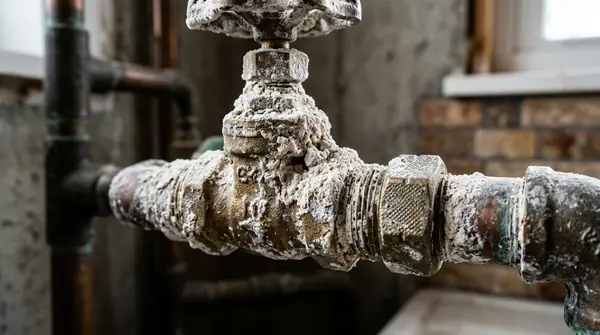
Extending Natural Gas Lines to Outdoor Living Spaces
Upgrading outdoor living spaces with custom BBQ islands, natural gas fire pits, and patio heaters eliminates the hassle of refilling propane tanks. Extending gas lines requires precise pipe sizing, proper material selection, and rigorous pressure testing, which can be explored through our Gas Line Installation Services. For immediate 24-hour service or property safety guidance, request 24/7 Plumbing Help.
Selecting Outdoor Gas Piping Materials
Yellow HDPE Polyethylene Gas Pipe (Underground Runs)
Underground gas lines running through yard trenches require yellow high-density polyethylene (HDPE) pipe with heat-fusion joints. HDPE does not rust or corrode in damp soil.
CSST Flexible Gas Tubing (Indoor & Sheltered Runs)
Corrugated Stainless Steel Tubing (CSST) simplifies indoor gas line routing from the meter through floor joists to patio access points.
Black Iron Pipe (Exposed Appliance Connections)
Rigid black iron pipe is used for above-ground stub-outs connecting shutoff valves directly to gas appliances.
Calculating Total BTU Load & Distance
Inadequate gas line diameter causes gas starved burners and poor flame height. Plumbers calculate pipe sizing based on total British Thermal Unit (BTU) demand:
- High-End BBQ Grills: 60,000 to 100,000 BTU/hr
- Patio Fire Pits: 50,000 to 150,000 BTU/hr
- Overhead Patio Heaters: 40,000 BTU/hr each
Frequently Asked Questions
What pipe material is required for outdoor gas line extensions?
Underground outdoor gas line extensions in Utah require yellow high-density polyethylene (HDPE) gas pipe with gas tracer wire or coated black iron pipe buried below municipal frost depth.
How do plumbers calculate gas line pipe sizing for multiple patio appliances?
Gas line pipe sizing is calculated by summing the total BTU demand of all connected appliances (BBQ grill, fire pit, patio heaters) relative to total distance from the main gas meter.
Why is professional pressure testing required after gas line installation?
Pressure testing with a calibrated pressure gauge verifies that all threaded gas fittings and valve connections are 100% airtight before connecting natural gas supply.
Planning an Outdoor Gas Line Extension in Utah?
Call Salt Lake Plumbers at (385) 488-0770 to schedule an outdoor gas piping evaluation.
Call 24/7: (385) 488-0770