No Hot Water
The water stays cold even when the hot water is turned on. The problem may involve the heating system, thermostat, burner, or another component.
A water heater can show different warning signs before it stops working completely. Choose the problem that best matches what you're experiencing to find the right service.
The water stays cold even when the hot water is turned on. The problem may involve the heating system, thermostat, burner, or another component.
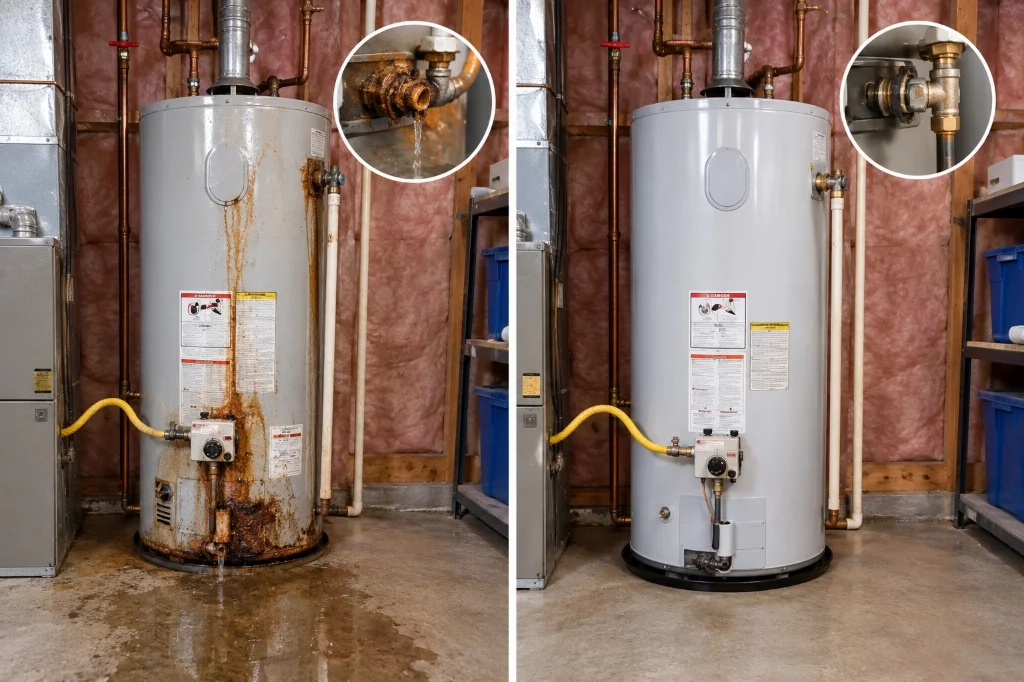
Water around the base or connections can indicate a leak that needs to be located and assessed before it causes further damage.
If you are running out of hot water sooner than usual, the water heater may not be heating or maintaining the water properly.
Popping, rumbling, cracking, or other unusual sounds can indicate sediment buildup or another issue affecting the water heater.
Water heaters often show signs of trouble before they stop working completely. You may notice changes in the hot water supply, unusual sounds, leaks, or changes in water color before a larger failure occurs. Recognizing these warning signs early can help you address the problem before it leads to water damage or a more extensive repair.
Turning on the hot water and getting only cold water is one of the clearest signs that something is wrong. Electric water heaters can have problems with heating elements or thermostats, while gas units may have issues involving the burner or pilot system. The cause should be identified through a proper inspection rather than guessing at the faulty component.
Hot water that takes longer to arrive or runs out sooner than it normally does can indicate that the water heater is not operating as it should. Sediment can collect inside a tank and interfere with the heating process, while older components can also affect how efficiently the system heats water. A water heater inspection can help determine what is causing the change.
Water collecting around the water heater is a problem that should not be overlooked. The source may be a connection, fitting, pressure-related issue, or damage to the tank itself. Because a leaking tank can cause water damage, identifying where the water is coming from is an important first step.
If the source of moisture around the water heater is unclear, leak detection and repair can help identify whether the problem is coming from the water heater, its connections, or nearby plumbing.
Popping, cracking, or rumbling sounds from a tank-style water heater can occur when sediment settles at the bottom of the tank. The buildup can affect normal heating and place additional strain on the unit. If the sounds become more frequent or noticeable, having the water heater checked can help identify the underlying issue.
Rust-colored or discolored hot water can be a warning sign of corrosion within the water heater. In tank-style systems, the anode rod helps protect the tank from corrosion and can eventually become depleted. If corrosion progresses, it can contribute to deterioration and possible tank leakage.
Hot water that changes from hot to lukewarm or becomes hotter than expected can indicate a problem with temperature regulation. A thermostat or another water heater component may be affecting how the system maintains the selected temperature. An inspection can determine whether the issue involves adjustment, a component, or another part of the system.
Water heater problems can range from a complete loss of hot water to leaks, temperature changes, and component failures. Finding the actual cause of the problem helps determine whether a specific component can be repaired or replaced.
A water heater that produces no hot water can have several possible causes, including a failed heating element, thermostat problem, gas burner issue, or electrical fault. The system should be checked to identify the component responsible before any repair is performed.
Water around a water heater can come from a connection, fitting, valve, or another part of the system. Some leaks can be repaired without replacing the entire unit, while a damaged tank may require a different solution. Locating the source of the leak is the first step in determining the appropriate repair.
Electric water heaters use heating elements to warm the water inside the tank. A damaged or failed element can result in reduced hot water or no hot water at all. Once the element is confirmed as the problem, replacing it may restore normal heating performance.
Gas water heaters depend on a working pilot system to heat the water. If the pilot light repeatedly goes out or will not stay lit, the problem may involve the thermocouple, gas supply, burner assembly, or another component. The system should be inspected to determine why the pilot is failing.
A faulty thermostat can cause inconsistent water temperatures, leaving the water too hot, too cool, or changing between temperatures. Depending on the condition of the thermostat, the solution may involve adjustment or replacement of the affected component.
Water heaters use valves to control water flow and help manage pressure within the system. A leaking, stuck, or improperly functioning valve can affect the operation of the unit and may require repair or replacement. Valve problems should be addressed promptly, particularly when they involve the pressure relief system.
A water heater problem can disrupt your routine quickly. You may turn on the shower and find there is no hot water, notice water collecting around the tank, or find that the temperature keeps changing during use. Sometimes the warning signs are less obvious, such as popping or rumbling sounds, longer heating times, or hot water that does not seem to reach its normal temperature. These changes can indicate a problem that needs to be identified.
A proper diagnosis helps determine what is actually causing the problem. Water heater issues can involve a heating element, thermostat, pilot system, burner, valve, electrical component, or other part of the unit. Gas and electric water heaters operate differently, and tankless systems have their own components and potential problems. Identifying the source of the failure helps determine what repair is appropriate.
Not every water heater problem requires complete replacement. A damaged or worn component may be repairable or replaceable, allowing the existing system to continue operating. In other situations, particularly with an older or extensively damaged unit, replacement may make more sense than continuing to repair individual components. The condition of the system and the nature of the problem should be considered before making that decision.
Our Salt Lake City water heater service covers common problems affecting gas and electric systems, as well as applicable water heater equipment. The focus is on identifying the issue, explaining what needs to be addressed, and completing the appropriate repair rather than replacing equipment unnecessarily.
Different water heater systems use different components and can develop different problems. Understanding the type of water heater you have can help determine what should be checked when the system stops heating properly or develops another issue.
Gas water heaters use a burner to heat water inside the storage tank. Components such as the pilot system, burner, and gas control valve all play a role in heating the water. Problems can occur when the pilot will not stay lit, the burner does not ignite properly, or another part of the gas control system is not functioning as it should. Because these systems involve gas combustion, diagnosis and service should be handled carefully.
Gas water heaters depend on an appropriate gas connection, and changes to the gas supply may require gas line installation and repair.
Electric water heaters use heating elements inside the tank to heat the water, with thermostats controlling the temperature. A failed heating element, faulty thermostat, or electrical component can affect heating performance and may result in lukewarm or completely cold water. Inspecting the heating and electrical components can help identify the source of the problem.
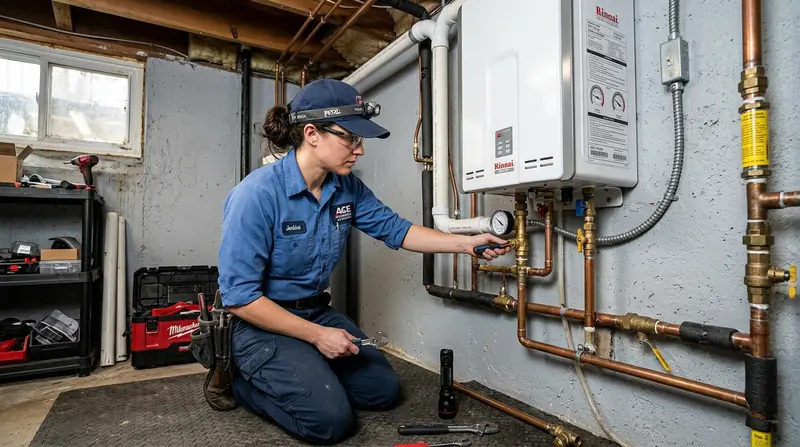
Tankless water heaters heat water as it passes through the unit instead of storing heated water in a tank. This type of system has different components and service requirements than a traditional tank water heater. Mineral buildup and other issues can affect performance over time, making proper inspection and maintenance important when the unit is not operating normally.
Traditional storage tank water heaters keep heated water available inside a tank and reheat it as needed. Sediment can accumulate inside the tank over time, while corrosion can eventually affect components such as the anode rod and tank itself. Maintenance and timely repairs can help address developing problems before they become more serious.
Some water heater problems can wait for a scheduled appointment, while others need attention sooner. A significant leak, damaged tank, electrical problem, or other serious failure can create a larger property or safety concern if it is left unattended. A leaking water heater, loss of hot water, or another serious failure that is affecting the home may require emergency plumbing service.
Urgent situations can include water actively leaking from the unit, a visibly damaged or ruptured tank, exposed electrical wiring, repeated breaker trips, or a pressure relief valve that is leaking or not functioning properly. Gas water heaters also require extra caution if you notice a strong gas odor or signs that the burner or combustion system is not operating correctly.
If water is spreading around the heater, shut off the water supply to the unit if you can do so safely and keep away from exposed electrical components. For a suspected gas problem, avoid operating anything that could create a spark and follow appropriate gas-safety procedures.
Electrical problems, including exposed wiring or a water heater that repeatedly trips the circuit breaker, should also be treated seriously. A pressure relief valve that is leaking, stuck, or not operating correctly deserves attention as well because it is an important safety component of the water heater.
If you aren't sure whether your water heater problem can safely wait, having it assessed can help you determine the appropriate next step. When a failure involves active leaking, electrical concerns, gas-related problems, or another potentially hazardous condition, safety should come before attempting a quick repair without knowing the cause.
A water heater that stops working does not automatically need to be replaced. Some problems can be resolved by repairing or replacing a specific component, while an aging or severely damaged unit may make replacement the more practical option. The condition of the water heater, the type of failure, and the extent of the repair all need to be considered before deciding what to do.
Repair can make sense when the water heater is in generally good condition and the problem is limited to a specific component. Issues involving a thermostat, heating element, pilot system, valve, or connection may be repairable without replacing the entire unit. If the water heater has otherwise been operating reliably, addressing the failed component may be enough to restore normal hot water service.
Schedule Water Heater Repair →Replacement may be worth considering when the tank is heavily corroded, the unit has developed a serious tank leak, or repeated repairs are becoming necessary. Older water heaters can also become less practical to maintain when multiple components begin failing. In these situations, continuing to repair individual parts may not be the best long-term option.
Energy use and operating costs can also be part of the decision when an older system is no longer performing efficiently. The potential benefits of a newer water heater should be considered alongside the condition and repair needs of the existing unit.
If the plumbing supplying the water heater is old, corroded, or repeatedly failing, piping and repiping services may be considered when the affected piping needs replacement.
Discuss Replacement Options →The decision between repair and replacement depends on several factors, including the water heater's age, condition, type of failure, and the work required to correct it. An inspection can help determine whether a component repair is appropriate or whether replacement should be considered. The goal is to understand the actual condition of the system before deciding how to proceed.
A clear repair process helps you understand what is happening with your water heater and what needs to be done. We start by identifying the problem, explain the available options, and then complete the appropriate service.
The water heater is examined for visible leaks, damaged connections, unusual conditions, and other signs that may help identify the problem. The initial inspection also helps determine whether there are any immediate safety concerns.
The next step is determining what is causing the failure. Depending on the type of water heater and symptoms involved, this may include checking heating components, thermostats, electrical connections, gas-related components, valves, or other parts of the system.
Once the problem has been identified, the required service can be explained clearly. If the water heater can be repaired, the affected component or area can be identified. When replacement may be more appropriate, the condition of the existing unit can be considered as part of the decision.
After the appropriate service is selected, the required repair can be completed. This may involve replacing a failed component, addressing a leak, correcting a heating problem, or servicing another part of the water heater.
After the repair, the water heater is checked to confirm that the system is operating as expected. The completed work and any relevant next steps can then be explained so you know what was addressed.
Routine water heater maintenance can help keep hot water consistent, reduce unnecessary wear, and identify developing problems before they become major repairs. A few basic checks throughout the year can make it easier to spot leaks, sediment buildup, corrosion, or changes in performance while the system is still operating.
Minerals and sediment can collect inside a storage water heater over time. As that buildup increases, the heater may have to work harder to heat the water, and you may notice popping, rumbling, or slower heating.
Flushing the tank at appropriate intervals can help remove accumulated sediment and keep the system operating more effectively.
The water heater temperature affects both daily comfort and energy use. If the setting is higher than necessary, the system may consume more energy and create a greater scalding risk. A setting that is too low may result in water that does not feel hot enough.
Check the thermostat periodically and make sure the temperature is appropriate for your household's needs.
Check the area around the water heater for moisture, dripping water, or signs of staining. Pay particular attention to the connections, valves, and the bottom of the tank.
A small amount of water should not simply be ignored. Finding the source early can help prevent a minor plumbing problem from developing into water damage or a larger repair.
Storage tank water heaters commonly use an anode rod to help protect the tank from corrosion. The rod gradually deteriorates as it attracts corrosive elements inside the tank.
If the anode rod has become heavily depleted, replacing it may help provide additional protection for the tank. Its condition is especially worth checking as the water heater gets older.
The temperature and pressure relief valve is an important safety component on a tank water heater. It is designed to release pressure if conditions inside the tank become unsafe.
Do not ignore a valve that leaks, appears damaged, or does not operate as expected. If you are unsure how to check it safely, have the system inspected rather than forcing or removing the component yourself.
Routine homeowner checks can help identify obvious problems, but some water heater issues are not easy to spot from the outside. A professional inspection can check components such as the heating system, thermostat, valves, connections, and other parts for signs of wear or developing problems.
Regular maintenance can be particularly useful as a water heater gets older, helping identify repairs that may be needed before the system stops providing reliable hot water.
When your water heater stops working properly, the goal is to find the actual cause and determine what needs to be done. A proper diagnosis can help avoid unnecessary part replacements and make it easier to decide whether a repair or replacement makes sense for the condition of the system.
Here’s what Salt Lake City homeowners can expect when requesting water heater service.
Gas, electric, tankless, and traditional tank water heaters do not all work the same way. Different systems have different components and failure points, so identifying the type of system and understanding how it operates is an important part of diagnosing the problem.
Whether you're dealing with no hot water, inconsistent temperatures, a leaking tank, unusual noises, or another issue, the first step is identifying what is causing the problem. The service should focus on the specific failure rather than replacing parts without determining why the system stopped working properly.
A water heater problem does not automatically mean the entire unit needs to be replaced. In some cases, a thermostat, heating element, valve, connection, or another component may be the source of the issue. When replacement is worth considering, the age and overall condition of the water heater should also be taken into account.
Water heater symptoms can sometimes have more than one possible cause. A proper inspection can include the heating components, thermostat, valves, connections, tank condition, and other relevant parts depending on the type of system. Finding the underlying problem helps determine the appropriate repair instead of simply addressing the most obvious symptom.
Water heater repairs can involve electrical components, gas-related components, water connections, valves, and other parts of the system. The work should be completed with attention to the specific problem and the condition of the equipment. After the repair, the system should be checked to make sure it is operating as expected.
You should understand what is wrong with your water heater and what needs to be addressed before deciding how to proceed. Clear communication about the problem, repair options, and condition of the system makes it easier to make an informed decision about your water heater.
Homeowners in Salt Lake City and nearby communities may need water heater service for anything from a sudden loss of hot water to leaks, inconsistent temperatures, or an aging system. Our water heater service focuses on identifying the source of the problem and determining whether the unit needs a repair, component replacement, maintenance, or further attention.
Service is available throughout Salt Lake City and nearby areas including Sandy, West Valley City, Murray, West Jordan, and South Salt Lake. Whether the water heater is showing an obvious problem or simply isn't performing the way it used to, having the system properly assessed can help determine the right next step.
Local service also means addressing the specific water heater in your home rather than relying on a standard repair approach. Gas and electric systems, tank and tankless units, and older and newer equipment can all have different components and failure points. Understanding the system and the symptoms helps narrow down the cause and identify the appropriate service.
If your Salt Lake City water heater is leaking, producing inconsistent hot water, making unusual sounds, or no longer heating properly, getting the problem assessed can help prevent a small issue from becoming a larger one.
Get quick answers to common questions about water heater repair costs, diagnostics, leak solutions, and system maintenance in Salt Lake City.
The cost depends on the type of water heater, the cause of the problem, the component that needs attention, and how extensive the repair is. A proper diagnosis can help determine what work is actually needed before deciding on a repair.
Common warning signs include no hot water, water that does not stay hot, unusual popping or rumbling sounds, visible leaks, rusty-colored water, and temperature changes. These symptoms can have different causes, so an inspection can help identify the specific problem.
The cause depends on the type of system. An electric water heater may have a failed heating element or thermostat, while a gas unit may have a pilot, burner, or gas control problem. Other components can also affect heating performance.
Some water heater leaks can be repaired if the source is a connection, valve, fitting, or another replaceable component. If the tank itself has developed a serious leak or corrosion, replacement may be the more appropriate option.
The service life varies depending on the type of water heater, installation, maintenance, water conditions, usage, and overall condition. As a unit gets older, recurring problems and corrosion can become more important factors when deciding whether to repair or replace it.
Repair may make sense when the unit is generally in good condition and the problem involves a specific replaceable component. Replacement may be worth considering when the tank is badly corroded, leaking, repeatedly failing, or approaching the end of its useful service life.
Yes. Water heater service can include both gas and electric systems. The components and diagnostic process differ between the two, so the system type is considered when determining the cause of the problem.
Tankless water heaters operate differently from traditional storage-tank systems and have different components that can affect performance. Service can be based on the specific symptoms and system components involved.
Water heater service can vary by equipment type, model, and the specific problem. If you have a particular brand or model, providing that information can help determine what type of service may be appropriate.
The time required depends on the problem and whether a specific replacement component is needed. Some repairs can be completed during the service visit, while more involved problems may require additional parts or work.
Yes. Problems involving water connections, valves, pressure, leaks, or other parts of the plumbing system can affect how a water heater operates. If the heater itself appears to be working but hot water performance has changed, the surrounding plumbing may also need to be checked.
If your water heater isn't heating properly, is leaking, making unusual sounds, or simply isn't performing like it should, getting the problem assessed can help you determine the right next step.
From component repairs to water heater replacement decisions, our Salt Lake City water heater service focuses on identifying the problem and addressing what the system actually needs.