📍 Serving Salt Lake City, UT 🕒 Availability: Open 24/7 for Emergencies
Emergency Hotline: (385) 488-0770
SEWER REPAIR • SALT LAKE CITY, UT

Sewer Line Repair Salt Lake City UT | Expert Solutions for Damaged & Failing Sewer Pipes

Sewer problems can go beyond a simple clogged drain. A broken, cracked, collapsed, or damaged sewer line can lead to repeated backups, slow drainage, foul odors, and wastewater problems around your home. Our sewer line repair service helps identify where the problem is located and what is causing it, whether the line is damaged, blocked by roots, or deteriorating with age. Once the condition of the sewer line is understood, the appropriate repair can be used to get the system draining properly again.

Sewer Line Repair Services in Salt Lake City

Sewer line problems often develop underground, where they cannot be seen until they start affecting your plumbing. Our sewer line repair services help address problems such as cracked or broken pipes, root intrusion, damaged connections, collapsed sections, and recurring sewer backups. We inspect the affected line to locate the problem and determine what type of repair is needed, rather than treating the symptoms without addressing the underlying issue.

📞 Call for Sewer Help: (385) 488-0770 Schedule Sewer Line Inspection →
Underground Problem Indicators

Sewer Problems That May Require Professional Sewer Line Repair

Recognizing the warning signs of a sewer line problem can help you address the issue before it leads to more extensive plumbing or property damage. Sewage backups, repeated drainage problems, unusual odors, and changes in your yard can all indicate that something is affecting the underground sewer line.

SIGN 1

Sewage Backup

Wastewater coming back through a toilet, drain, or floor drain can indicate a blockage or problem within the sewer system. While a backup affecting one fixture may be caused by a local clog, wastewater backing up through multiple fixtures can point to a problem farther down the main sewer line.

SIGN 4

Gurgling Toilets

A toilet that gurgles when another fixture is running can indicate restricted wastewater flow or changes in pressure within the plumbing system. If gurgling is accompanied by slow drains, backups, or other drainage problems, the sewer line may need professional inspection.

SIGN 2

Slow Drains Throughout the Home

One slow drain is often caused by a localized blockage. When sinks, tubs, showers, and toilets throughout the home begin draining slowly, however, the problem may be affecting the main line that carries wastewater away from the property.

SIGN 5

Wet Spots in the Yard

Unexplained wet or unusually green areas in the yard can sometimes indicate a leaking or damaged underground sewer pipe. When wastewater escapes from a compromised line, the surrounding soil may become noticeably wetter or support more vegetation than nearby areas.

If there are signs of unexplained moisture around the property but the source is unclear, leak detection and repair can help determine whether a separate plumbing leak is involved.

SIGN 3

Persistent Sewer Odors

A sewer smell inside the home or around the property should not be ignored, particularly when the odor keeps returning. Cracked pipes, damaged connections, or drainage problems can allow sewer gases to escape where they normally would not.

SIGN 6

Frequent Drain Problems

A drain that keeps clogging after it has been cleared may have an underlying problem that has not been resolved. Recurring blockages can result from heavy buildup, root intrusion, damaged piping, or other issues within the sewer system. When the same drainage problem keeps returning, inspecting the sewer line can help determine what is actually causing it.

📞 Call (385) 488-0770 to Inspect Sewer Line

What Causes Sewer Line Damage?

Sewer line damage can develop gradually or happen because of a sudden change underground. Roots, aging materials, shifting soil, and problems within the pipe can all interfere with wastewater flow or weaken the line. Some common causes include:

CAUSE 1

Tree Root Intrusion

Roots can enter sewer pipes through small cracks, openings, or loose joints. As they grow inside the line, they can restrict flow and contribute to recurring blockages or further pipe damage.

CAUSE 5

Aging Sewer Pipes

Older sewer systems are more likely to experience deterioration, weakened joints, cracks, and other forms of wear. Age alone does not necessarily mean a sewer line needs replacement, but older pipes may require closer inspection when problems begin to appear.

CAUSE 2

Cracked or Broken Pipes

Sewer pipes can develop cracks or breaks from age, ground pressure, physical damage, or deterioration. Even a small crack can allow wastewater to escape or create an opening for roots to enter.

CAUSE 6

Pipe Separation

Sewer pipe sections are connected at joints, and those connections can loosen or separate over time. A separated joint can disrupt wastewater flow and allow surrounding soil or water to enter the line.

CAUSE 3

Corrosion

Certain older pipe materials can corrode or deteriorate over time. As the pipe walls weaken, they may develop leaks, cracks, or other structural problems that affect the sewer system.

CAUSE 7

Collapsed Sewer Sections

Severe deterioration, ground pressure, or physical damage can cause part of a sewer pipe to collapse. A collapsed section can significantly restrict or completely stop wastewater from flowing through the line.

CAUSE 4

Ground Movement

Soil can shift, settle, or move around an underground sewer line. This movement can place pressure on the pipe, causing it to bend, crack, or become misaligned.

CAUSE 8

Heavy Buildup or Blockages

Grease, sludge, waste, and other debris can accumulate inside sewer pipes and restrict the passage available for wastewater. Persistent buildup can cause recurring blockages and may require professional cleaning or further inspection to determine whether there is an underlying pipe problem.

Repair & Replacement Methods

How We Do Sewer Line Repair in Salt Lake City

The right sewer repair depends on where the damage is located, how extensive it is, and the overall condition of the existing pipe. We start by evaluating the sewer line to identify the problem and determine whether a specific section can be repaired or whether a larger portion of the line needs to be replaced. Depending on the condition of the pipe and the property, sewer repairs may involve spot repair, sewer line replacement, or trenchless methods.

Spot Sewer Repair

When damage is limited to a specific section of the sewer line, repairing that portion may be enough to restore proper flow. Spot sewer repair focuses on the affected section rather than replacing the entire line.

Sewer Line Replacement Salt Lake City

When a sewer line has extensive damage, severe deterioration, or multiple failing sections, replacement may be the more suitable solution. The affected line is removed and replaced with new sewer piping designed to restore reliable wastewater flow.

Trenchless Sewer Repair

Trenchless methods can provide an alternative to traditional excavation when the condition of the sewer line and property allow for it. These techniques can repair or replace sections of underground piping while minimizing the amount of digging required around the property.

Comparing Your Plumbing Options

Sewer Line Repair vs. Sewer Line Replacement

Not every damaged sewer line needs to be replaced from end to end. The appropriate solution depends on the location and severity of the damage, the condition of the surrounding pipe, and what an inspection reveals. In some cases, repairing a damaged section can restore the line without replacing otherwise usable piping. More extensive deterioration may require replacement.

Targeted Pipe Solution

When Sewer Line Repair May Be Appropriate

Repair may be suitable when:

  • The damage is limited to a specific section of pipe
  • Most of the existing sewer line remains structurally sound
  • A damaged joint or section can be accessed and repaired
  • The rest of the line is still functioning properly

Targeted repair can address the damaged portion while leaving sound sections of the existing sewer line in place.

Schedule Spot Sewer Repair →
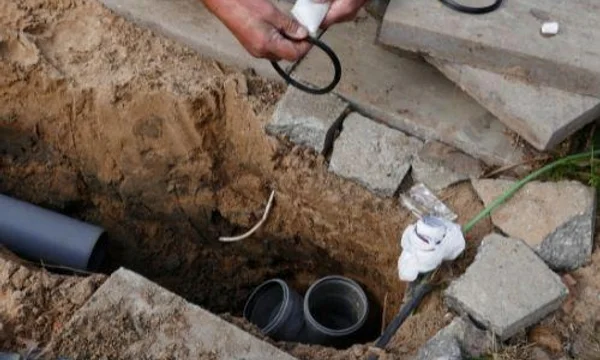
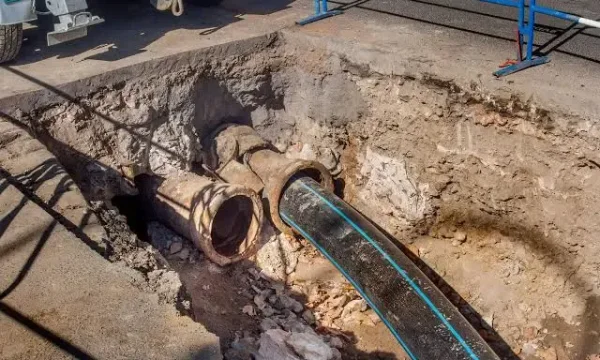
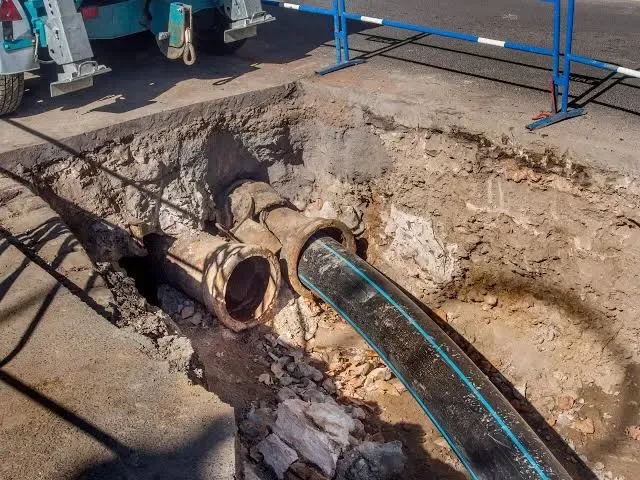
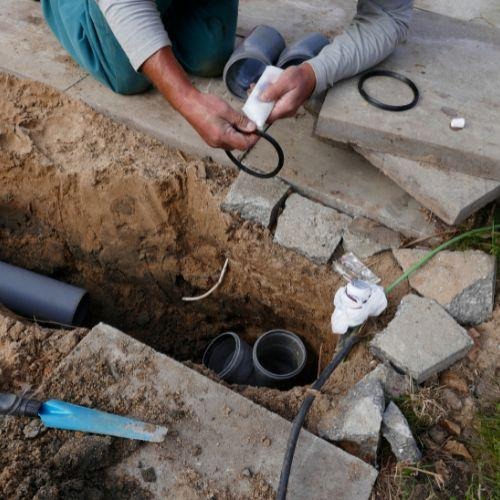
Underground trench excavation with sewer pipe insertion and targeted spot repair in Salt Lake City
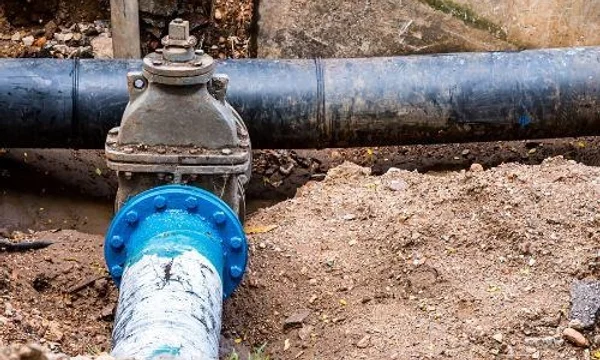
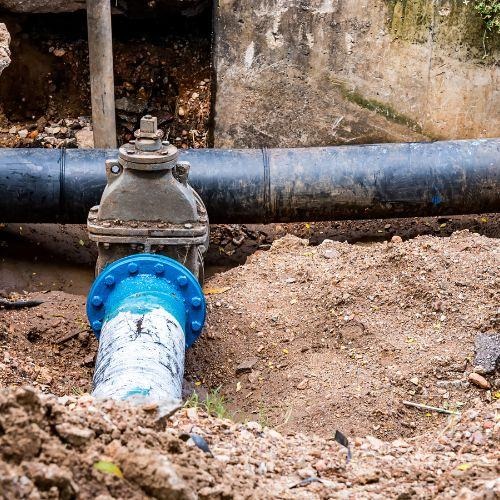
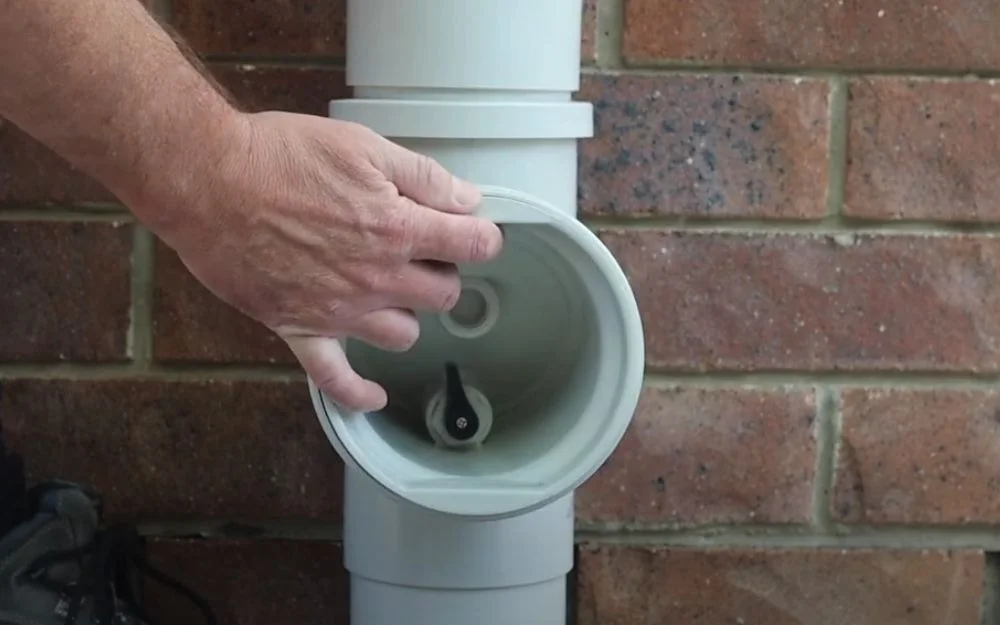
Heavy duty main sewer pipe replacement and municipal connection valve installation in Salt Lake City
Full Line Renewal

When Sewer Line Replacement May Be Needed

Replacement may be considered when:

  • Damage extends across multiple sections
  • The sewer pipe has collapsed
  • The line has severe deterioration or widespread cracking
  • Multiple repairs have already been required
  • The existing pipe has reached the end of its service life

In these situations, replacing the affected portion or a larger section of the sewer line may provide a more appropriate long-term solution.

When plumbing deterioration extends beyond the sewer line and affects multiple sections of the home's water piping, piping and repiping services may need to be considered separately.

Request Replacement Estimate →
Diagnostic Clarity

How Do You Know Which Option Is Right?

The best approach cannot always be determined from the symptoms alone. A sewer inspection can help identify the location and extent of the damage and show whether the existing pipe is suitable for repair or needs replacement. This allows the repair approach to be based on the actual condition of the sewer line rather than guesswork.

Book Camera Inspection →
Plumbing technician fitting and inspecting sewer line connection joint in excavated trench
Comprehensive Sewer Solutions

Sewer Line Repair Services in Salt Lake City

Sewer line problems can develop underground and may not become obvious until they cause recurring backups, slow drainage, foul odors, or other plumbing issues. We provide sewer line services designed to identify the source of the problem and address the damaged portion of the system.

Plumbing technician conducting optical video camera inspection of underground sewer line in Salt Lake City

Sewer Line Inspection

We inspect the sewer line to identify blockages, cracks, root intrusion, separated joints, collapsed sections, and other conditions affecting wastewater flow. An inspection helps determine the appropriate repair instead of relying on the symptoms alone.

Book Camera Inspection →
Targeted spot sewer repair on damaged pipe section in Salt Lake City excavation

Spot Sewer Line Repair

When damage is limited to a specific section, spot repair can address the affected portion without replacing the entire sewer line. This may be suitable when the surrounding pipe remains in good condition.

Spot Repair Options →
Complete sewer line replacement with new heavy-duty piping and connections in Salt Lake City

Sewer Line Replacement

A severely damaged, deteriorated, or collapsed sewer line may require replacement. This involves removing the affected piping and installing new sewer pipe to restore proper wastewater flow.

Request Replacement Estimate →
Trenchless sewer pipe lining and pipe bursting equipment setup in Salt Lake City

Trenchless Sewer Repair

Where the existing pipe and property conditions allow, trenchless methods can provide an alternative to extensive excavation. These techniques are designed to repair or replace underground sewer piping while reducing the amount of digging required.

Explore Trenchless Repair →
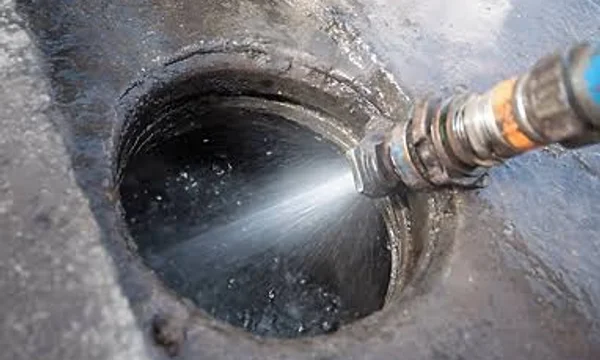
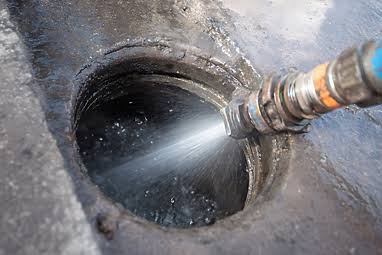
High pressure water nozzle spraying into sewer drain opening for deep line cleaning in Salt Lake City

Sewer Line Cleaning

Heavy buildup, debris, or root intrusion can restrict wastewater flow. Professional sewer cleaning can help remove these obstructions and may be appropriate when the pipe itself remains structurally sound.

Schedule Sewer Cleaning →
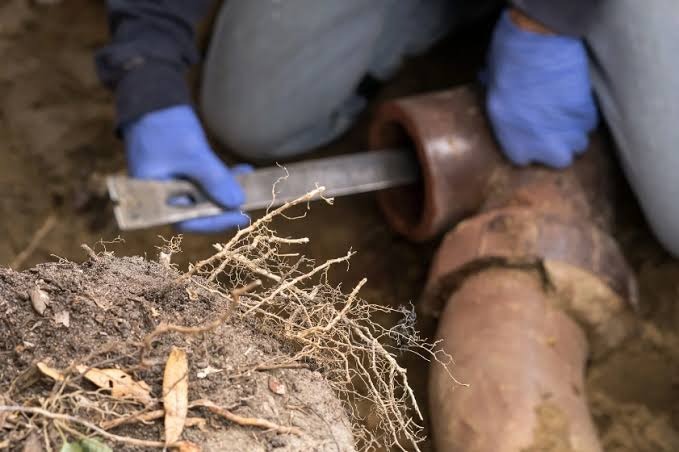
Plumbing technician extracting and cutting tree root intrusion from underground sewer pipe in Salt Lake City

Sewer Line Root Removal

Tree roots that enter through cracks or pipe joints can cause recurring blockages. Root removal can clear the obstruction and restore flow, while inspection can determine whether the pipe has also been damaged.

Clear Tree Roots →

Emergency Sewer Backup Safety Protocol

Stopping fixture usage immediately prevents raw wastewater from flooding basements or subfloors during a main sewer line backup.

A severe sewer backup that is causing wastewater to enter the home may require emergency plumbing service to address the immediate problem.

🚨 Immediate Sewer Backup Action Plan

  • 1. Stop using all water fixtures: Discontinue running sinks, showers, dishwashers, and toilets immediately across the entire home.
  • 2. Avoid contact with wastewater: Keep children and pets away from backed-up drains, basement floors, or utility areas.
  • 3. Wear protective equipment: If inspecting cleanout access points, wear rubber boots and protective gloves to prevent skin exposure.
  • 4. Do not pour chemical drain openers: Caustic chemicals will sit in backed-up sewer water, creating hazardous skin and fume risks.
  • 5. Contact Salt Lake Plumbers: Call (385) 488-0770 for 24/7 emergency main sewer line clearing and repair.
Comprehensive Diagnostics

Sewer Line Inspection

Before deciding how to repair a sewer line, it is important to understand what is happening inside the pipe. A sewer inspection can help identify the location and extent of the problem so the repair addresses the actual damage rather than only the symptoms.

STEP 01 • HIGH DEFINITION

Camera Inspection

A sewer camera can provide a view inside the pipe and help identify conditions that cannot be seen from above ground. This may include blockages, root intrusion, cracks, damaged joints, or collapsed sections.

STEP 02 • PRECISION MAPPING

Locating the Damaged Section

Once a problem is identified, its location can be determined so the affected section can be accessed for repair when necessary. Knowing where the damage is also helps avoid unnecessary work on portions of the sewer line that remain in good condition.

STEP 03 • ROOT CAUSE ANALYSIS

Identifying the Cause of the Problem

An inspection can help determine whether recurring sewer problems are related to tree roots, cracks, breaks, separated connections, heavy buildup, or structural damage. Understanding the cause is important when choosing the appropriate solution.

STEP 04 • TARGETED SOLUTION

Determining Repair or Replacement

Not every damaged sewer line needs complete replacement. If the problem is limited to one section and the remaining pipe is in suitable condition, a targeted repair may be possible. More extensive deterioration, multiple damaged sections, or a collapsed line may require replacement.

Four Straightforward Steps

How the Sewer Line Repair Process Works

The sewer line repair process begins with video camera inspection, followed by line clearing, repair method selection, and final flow verification.

1

HD Camera Inspection

Call (385) 488-0770. We insert a fiber-optic camera to locate underground line damage accurately.

2

Mechanical Line Prep

High-pressure hydro jetting or mechanical root cutters clear internal debris prior to trenchless liner installation.

3

Trenchless Execution

An epoxy liner is inserted or pipe bursting equipment replaces the sewer line without digging up lawns.

4

Final Camera Verification

A secondary video camera inspection verifies seamless inner pipe smoothness and unimpeded wastewater flow.

Comparing Solutions

Drain Cleaning vs. Sewer Line Repair

Drain cleaning and sewer line repair address different plumbing problems, even though both can involve slow drainage or backups. Drain cleaning is primarily used to remove blockages and buildup, while sewer line repair addresses damage or structural problems within the underground pipe.

Drain Cleaning Sewer Line Repair
Removes clogs and buildup Repairs damaged sewer piping
Often addresses a localized blockage Addresses problems within the underground sewer line
May involve snaking or other cleaning methods May involve spot repair, replacement, or trenchless methods
Suitable for grease, hair, sludge, and debris Suitable for cracks, breaks, root intrusion, separated joints, or collapsed sections
Focuses on restoring flow Focuses on restoring the condition and function of the sewer line

When Is Drain Cleaning Enough?

If a drain is slow or blocked because of accumulated debris, grease, sludge, or another removable obstruction, professional drain cleaning may restore normal flow. However, if the same problem continues to return after cleaning, there may be a deeper issue affecting the sewer line.

If the problem is limited to a clogged or slow drain, drain cleaning may resolve the issue, while recurring backups affecting multiple fixtures can point to a sewer line problem.

When Is Sewer Line Repair Needed?

Sewer line repair may be necessary when inspection identifies structural damage such as a cracked or broken pipe, root intrusion, separated joints, or a collapsed section. In these situations, cleaning the line may remove an obstruction but will not correct the damaged pipe itself.

Case Studies & Local Work

Recent Sewer Line Repair Projects in Salt Lake City

See examples of recent sewer line repair and replacement work completed for local properties. Our project gallery highlights different sewer problems, from damaged and blocked lines to targeted repairs and larger pipe replacement projects. Each project is approached based on the condition of the existing sewer line and the needs of the property.

Sewer Line Repair in Salt Lake City restoring wastewater flow Salt Lake City

Sewer Line Repair

Repairing a damaged section of an underground sewer line to restore proper wastewater flow.

Damaged Sewer Pipe Replacement in Salt Lake City installing new piping Sandy

Damaged Sewer Pipe Replacement

Removing a severely damaged section of sewer pipe and installing new piping where replacement is needed.

Tree Root Sewer Line Repair clearing roots and restoring underground pipe Sugar House

Tree Root Sewer Line Repair

Addressing sewer line problems caused by root intrusion and restoring the affected section of the pipe.

Sewer Line Excavation and Repair accessing underground pipe and restoring property West Valley City

Sewer Line Excavation and Repair

Accessing an underground sewer line, repairing the damaged area, and restoring the property after the plumbing work is completed.

Sewer Line Inspection and Repair identifying pipe condition and completing targeted repair Murray

Sewer Line Inspection and Repair

Identifying the source of recurring sewer problems through inspection and completing the appropriate repair based on the condition of the pipe.

Local Wasatch Front Coverage

Sewer Line Service Coverage Across Salt Lake City

We provide sewer line repair and related services for homeowners throughout Salt Lake City and surrounding areas. Our service coverage includes neighborhoods and ZIP codes across the city, including 84101, 84102, 84103, 84104, 84105, 84106, 84107, 84108, 84109, 84111, 84112, 84113, 84114, 84115, 84116, 84117, 84118, 84119, 84120, 84123, 84124, 84126, 84127, 84128, 84130, 84131, 84132, 84133, 84134, 84135, 84136, 84137, 84138, 84139, 84140, 84141, 84142, 84143, 84144, 84145, 84147, 84148, 84150, 84151, 84152, 84153, 84158, 84170, 84180, 84184, 84189, 84190, and 84199. Utah's official ZIP-code data lists these Salt Lake City ZIP codes, while noting that ZIP boundaries are postal designations rather than exact geographic boundaries.

We also serve nearby communities in Salt Lake County when sewer line inspection, repair, replacement, or related plumbing service is needed.

Common Inquiries

Sewer Line Repair Salt Lake City FAQs

How do I know if my sewer line is damaged?

Recurring sewer backups, multiple slow drains, persistent sewage odors, gurgling fixtures, wet areas in the yard, and wastewater coming through floor drains can all indicate a sewer line problem. When these symptoms keep returning, a professional sewer inspection can help determine whether the line is damaged.

What causes sewer lines to break?

Sewer lines can break because of aging materials, ground movement, tree root intrusion, corrosion, separated joints, physical damage, or long-term deterioration. Heavy buildup can also restrict flow and place additional stress on an already weakened pipe.

Can a damaged sewer line be repaired instead of replaced?

Yes, depending on the location and extent of the damage. A localized problem may be suitable for spot repair when the surrounding pipe is still structurally sound. Extensive deterioration, multiple damaged sections, or a collapsed line may require replacement.

How long does sewer line repair take?

The time required depends on the location, extent, and type of damage, as well as the repair method needed. A straightforward localized repair may take less time than replacing a larger section of underground sewer pipe. An inspection can provide a better idea of the work involved.

How much does sewer line repair cost in Salt Lake City, UT?

Sewer repair costs vary based on the type and location of the damage, the amount of pipe involved, accessibility, and whether repair or replacement is required. The best way to determine the cost is to inspect the sewer line and identify the work needed for the specific property.

Is a sewer line problem an emergency?

It can be. Sewage backing up into the home, wastewater coming through floor drains, a completely blocked main line, or signs of a major underground leak should be addressed promptly. Delaying a serious sewer problem can increase the risk of property damage and sanitation issues.

Does drain cleaning fix sewer line problems?

Drain cleaning can remove certain blockages and buildup, but it does not repair a cracked, broken, collapsed, or otherwise damaged sewer pipe. If a drain problem keeps returning after cleaning, a sewer inspection may be needed to determine whether there is an underlying pipe issue.

Is a sewer camera inspection necessary before repair?

A camera inspection can be very useful before major sewer repair because it allows the condition of the pipe to be evaluated from inside. It can help locate cracks, root intrusion, breaks, separated joints, blockages, and collapsed sections so the appropriate repair can be planned.

What is the difference between drain cleaning and sewer line repair?

Drain cleaning focuses on removing blockages or buildup that restrict water flow. Sewer line repair addresses physical damage to the underground pipe, such as cracks, breaks, root intrusion, separated joints, or collapsed sections. An inspection can help determine which service is actually needed.

Can tree roots damage my sewer line?

Yes. Tree roots can enter sewer pipes through small cracks or gaps around pipe joints while seeking moisture. As the roots grow, they can restrict wastewater flow and contribute to recurring blockages or additional pipe damage.

How often should sewer lines be inspected?

There is no single inspection schedule that applies to every property. Older homes, properties with recurring sewer problems, and homes with mature trees near underground plumbing may benefit from more frequent evaluation. If you notice repeated backups, slow drainage, or other warning signs, an inspection is appropriate regardless of when the line was last checked.

Need Sewer Line Repair in Salt Lake City?

Call Salt Lake Plumbers at (385) 488-0770 to speak with a sewer specialist, or request your sewer inspection online.

Call 24/7: (385) 488-0770