
Do you Need Gas Line Installation and Repair Services in Salt Lake City?
Gas piping may need professional service when you are installing a new gas appliance, extending an existing gas line, or dealing with damaged or deteriorated piping. Problems with gas lines should be addressed carefully because improper installation or damaged piping can create serious safety concerns.
Plumbing Salt Lake City provides residential gas line installation and repair services throughout Salt Lake City. We assess the existing gas piping and determine whether the project requires a new installation, repair, replacement, or extension.
Signs of a Gas Line Problem
Gas line problems are not always visible. A damaged connection, deteriorating pipe, or problem with a gas appliance connection can sometimes show warning signs before a larger issue develops. If you notice any of the following, the gas piping should be evaluated by a qualified professional.
Gas Odor
A sulfur or rotten-egg-like odor can indicate the presence of natural gas. If you smell gas, leave the area immediately and contact your local gas utility or emergency service. Do not attempt to locate the leak yourself.
Hissing or Whistling Sounds
A hissing or whistling sound near a gas line, connection, or appliance can indicate escaping gas or another problem that requires professional attention.
Damaged or Corroded Gas Piping
Visible corrosion, physical damage, or deterioration on accessible gas piping can indicate that a section of the system needs to be inspected and potentially repaired or replaced.
Appliances Are Not Receiving Gas Properly
If a gas appliance is not receiving gas as expected, the problem may involve the appliance, its connection, or the gas line supplying it. The system should be evaluated rather than assuming the gas line is the cause.
Problems After Adding a Gas Appliance
Installing a new gas range, dryer, water heater, fireplace, or other gas appliance may require a new gas line or modification to existing piping. The gas piping should be properly assessed before making changes.
Recurring Gas Line Repairs
Repeated problems in the same gas piping system may indicate that a section has deteriorated or that a larger portion of the system needs attention.
Gas Line Damage After Construction or Excavation
Construction, remodeling, landscaping, or excavation can accidentally damage gas piping. Any suspected damage should be treated seriously and professionally inspected before the affected area is used.
🚨 If you suspect an active gas leak, do not use flames, operate electrical switches, or attempt to repair the line yourself. Leave the property and contact your local gas utility or emergency services from a safe location.
When Does a Gas Line Need Repair or Replacement?
Not every gas line problem requires replacing the entire system. A localized issue may be repairable, while extensive damage or deterioration may require replacement of the affected piping. The appropriate solution depends on the condition, location, and extent of the problem.
A Gas Line May Need Repair When:
-
•
The Problem Is Limited to One Section: A localized issue affecting a specific portion of the piping may be addressed without replacing unaffected sections.
-
•
A Connection Is Damaged: A faulty or damaged connection may require professional repair or replacement of the affected components.
-
•
There Is Physical Damage: Gas piping damaged by construction, excavation, or another external event should be professionally assessed to determine the required repair.
-
•
A Gas Appliance Connection Has a Problem: A damaged connection between an appliance and the gas supply may require repair or replacement of the affected connection.
A Gas Line May Need Replacement When:
-
•
The Piping Is Severely Deteriorated: Significant corrosion or deterioration can make continued use of the affected piping unsuitable.
-
•
Damage Extends Across Multiple Sections: Widespread damage may require replacing more than one portion of the gas piping system.
-
•
The Existing Line Is No Longer Suitable: Changes to the home's gas appliances or system may require modifications or replacement of existing piping.
-
•
Problems Keep Returning: Recurring issues in the same gas piping system may indicate that the affected line needs a more comprehensive solution.
A professional assessment can determine whether the appropriate solution is a localized repair, replacement of a specific section, or a larger gas line project.
Gas piping is separate from the home's typical water supply piping, so replacement of other deteriorated plumbing may require piping and repiping services as a separate project.
Common Causes of Gas Line Damage
Gas lines can develop problems for different reasons. Some issues occur gradually as piping ages, while others result from physical damage, installation changes, or problems with connections and fittings.
Aging Gas Piping
Gas piping can deteriorate over time due to age and ongoing exposure to environmental conditions. Older sections may eventually require repair or replacement if their condition has declined.
Corrosion
Corrosion can weaken certain gas piping and fittings over time. If corrosion becomes significant, the affected section may need to be repaired or replaced.
Physical Damage
Gas lines can be damaged by construction, excavation, remodeling, landscaping, or other physical activity around the property. Even damage that is not immediately visible should be professionally evaluated.
Loose or Damaged Connections
Connections, fittings, and joints can develop problems over time or become damaged during installation or other work. A compromised connection may require professional repair or replacement.
Improper Previous Installation
Gas piping that was installed incorrectly or modified improperly can create problems with the system. Changes to existing gas lines should be evaluated and completed by a qualified professional.
Shifting or Structural Movement
Movement around a property can place stress on gas piping and connections. Significant shifting or movement may contribute to damaged or displaced sections.
Changes to Gas Appliances
Adding, relocating, or replacing gas appliances can require changes to the existing gas piping. If the existing system is not suitable for the new setup, modifications or additional gas lines may be necessary.
Gas Line Installation for New Appliances
Adding a new gas appliance may require a new gas line, an extension to an existing line, or changes to the current connection. The required work depends on the appliance location, existing gas piping, and the setup of the home's gas system.
Plumbing Salt Lake City provides residential gas line installation for applicable appliances, including:
Adding a Gas Appliance to an Existing Home
If your home already has gas service but the new appliance is located where there is no suitable gas connection, additional piping may be required. The installation is planned around the appliance location and existing gas system rather than simply connecting to the nearest available line.
Replacing an Existing Gas Appliance
Replacing an old gas appliance does not always require a completely new gas line. The existing connection can be evaluated to determine whether it is suitable for the replacement appliance or whether modifications are needed.
If a new gas water heater requires changes to its existing gas connection, water heater repair and service may also be needed depending on the condition of the appliance and its connections.
Adding a new gas appliance? Get the gas line assessed before installation.
Call (385) 488-0770 for Appliance Line AssessmentHow Gas Line Installation and Repair Works
Gas line installation and repair requires careful assessment of the existing piping, the location of the work, and the condition of the affected line. The exact process varies depending on whether the project involves a new installation, repair, replacement, or extension.
Assess the Gas Line
We begin by evaluating the existing gas piping, accessible connections, appliance locations, and the area where work is needed. This helps identify the scope of the project.
Identify Requirements
For repairs, the affected section and type of damage are identified. For new installations or extensions, we determine where the new gas line needs to connect and where the piping needs to run.
Determine Appropriate Solution
Based on the condition of the existing system, the project may require a localized repair, pipe replacement, new gas line, or extension of an existing line.
Complete the Gas Line Work
The required installation, repair, replacement, or extension is completed within the planned scope of work. Connections are made as appropriate for the gas system and appliance being served.
Check the Completed Work
After the gas line work is completed, the system is checked for proper operation and potential leaks. Any required inspections or approvals depend on the project and applicable local requirements.
Confirm the Gas Connection
The connected appliance or affected portion of the gas system is checked to ensure the completed work is functioning as intended before the project is considered complete.
Gas Line Safety: What to Do If You Suspect a Gas Leak
A strong sulfur or rotten-egg-like odor, hissing sound, or other indication of escaping gas should be treated as a potential gas leak. Do not try to locate, test, or repair the leak yourself.
-
🚶
Leave the Area Immediately: If you smell gas or hear a hissing or blowing sound, leave the building and move to a safe location away from the suspected leak.
-
🚫
Avoid Flames and Sparks: Do not smoke, light matches, use candles, or create any other flame near a suspected gas leak. Avoid operating electrical switches or equipment that could create a spark.
-
🛑
Do Not Attempt to Repair the Gas Line: Do not attempt to tighten fittings, repair piping, or locate the source of the leak yourself. Gas line repairs should be handled by qualified professionals.
-
📞
Contact the Gas Utility or Emergency Services: Once you are safely away from the property, contact your local gas utility or emergency services as appropriate. Follow their instructions and do not return to the building until it has been determined to be safe.
-
🔍
Have the Gas Line Professionally Inspected: After an emergency gas situation has been addressed, the affected gas piping should be professionally evaluated before normal use resumes. This can help determine whether the problem involves a damaged pipe, connection, appliance line, or another part of the gas system.
If you suspect an active gas leak, safety comes first. Leave the property and contact the appropriate emergency or gas utility service from a safe location.
Gas piping problems that create an immediate concern may require emergency plumbing service after the property has been made safe and the gas utility or emergency services have been contacted.
Recent Gas Line Installation and Repair Projects in Salt Lake City
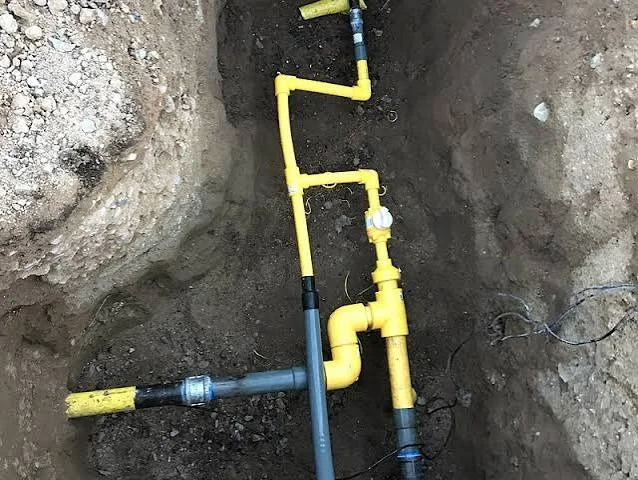
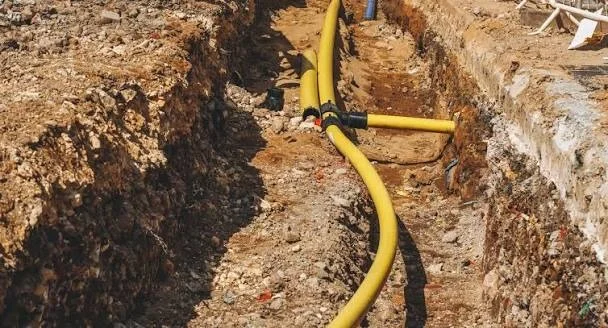
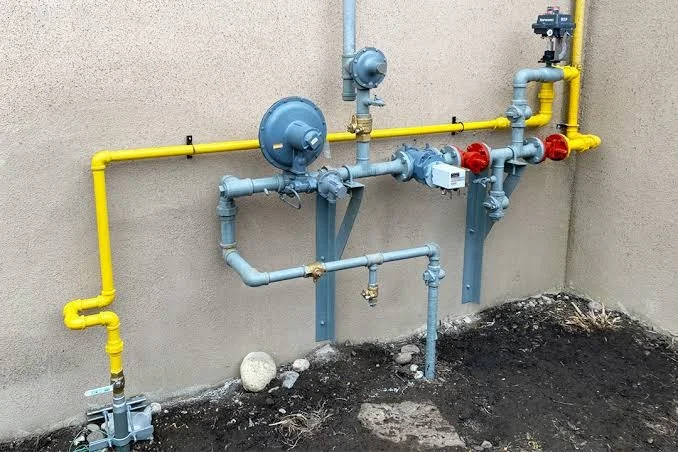
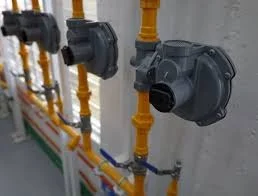
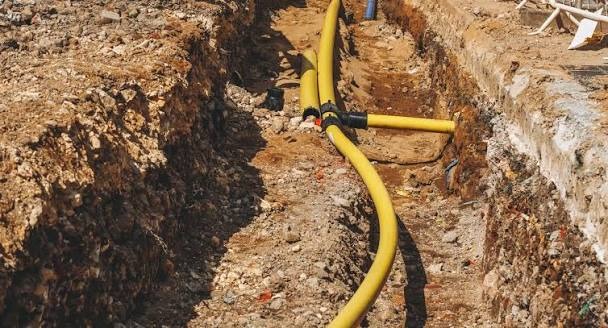
Gas line projects can involve anything from adding a new appliance connection to repairing a damaged section of existing piping. The work required depends on the condition of the gas line, the appliance being served, and the layout of the existing system.
Gas Line Installation and Repair Service Coverage Across Salt Lake City
Plumbing Salt Lake City provides residential gas line installation and repair services throughout Salt Lake City. We serve homeowners who need new gas lines, appliance connections, gas line extensions, repairs, or replacement of damaged piping.
Salt Lake City ZIP Codes We Serve
Our gas line installation and repair service area includes:
ZIP codes are used as general service-area references and may include areas outside exact neighborhood boundaries. If you are located in or around Salt Lake City and need gas line installation, repair, replacement, or an extension, contact us to discuss your project.
Gas Line Installation and Repair Salt Lake City FAQs
Get straightforward answers to common questions about residential gas line installation, appliance connections, safety, and repair in Salt Lake City.
When does a gas line need to be repaired?
A gas line may need repair when there is visible damage, a damaged connection, deterioration, or another confirmed problem with the gas piping. If you suspect a gas leak, leave the property and contact your local gas utility or emergency services before arranging repairs.
When should a gas line be replaced instead of repaired?
Replacement may be appropriate when a section of gas piping is severely deteriorated, extensively damaged, or no longer suitable for continued use. A professional assessment can determine whether repair or replacement is appropriate.
Can you install a gas line for a new appliance?
Yes. New gas appliances may require a dedicated gas connection, a new gas line, or an extension of existing piping. The existing gas system and appliance location should be evaluated to determine the required work.
What appliances may need a new gas line?
Gas ranges, cooktops, dryers, water heaters, fireplaces, and certain outdoor gas appliances may require gas line installation or modifications to an existing gas connection.
Can an existing gas line be extended?
In some situations, an existing gas line can be extended to serve a new appliance or equipment location. The existing piping should be assessed first to determine whether an extension is appropriate.
How do I know if my gas line is damaged?
Warning signs can include a gas odor, hissing sounds, visible corrosion or physical damage, or problems affecting a gas appliance. If you suspect an active gas leak, do not investigate or repair the line yourself. Leave the area and contact the appropriate emergency or gas utility service.
How long does gas line installation take?
The time required depends on the type and scope of the project, the location of the new line, access to the piping, and whether existing gas lines need to be modified or replaced. A specific timeframe can be determined after assessing the project.
How much does gas line installation or repair cost in Salt Lake City?
The cost depends on factors such as the length of piping, location, accessibility, existing system condition, and the type of work required. A new appliance connection, localized repair, and larger gas line replacement can have very different scopes.
Does installing a new gas appliance always require a new gas line?
No. An existing gas connection may already be suitable for the replacement appliance. The existing connection and piping should be evaluated to determine whether it can be used or needs to be modified.
Can outdoor appliances have a gas line installed?
Yes, applicable outdoor gas appliances may require a dedicated gas line or an extension from an existing gas supply. The installation depends on the equipment, location, and existing gas system.
What should I do if I smell gas in my home?
Leave the property immediately and move to a safe location. Do not smoke, use flames, operate electrical switches, or attempt to locate or repair the leak. From a safe location, contact your local gas utility or emergency services and follow their instructions.
Need Gas Line Installation or Repair in Salt Lake City?
Whether you're adding a new gas appliance, extending an existing line, or dealing with damaged gas piping, Plumbing Salt Lake City can assess the gas line and determine the appropriate service.