Hidden Leak Detection
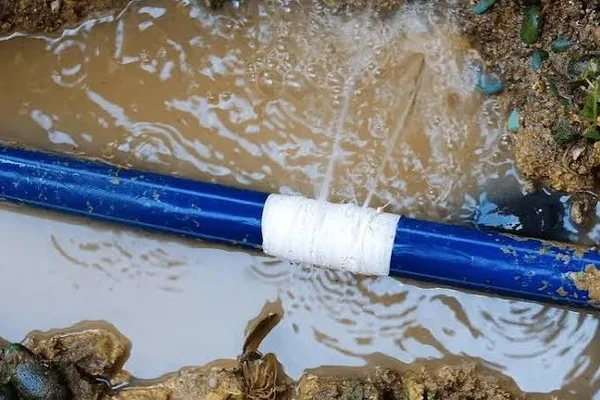
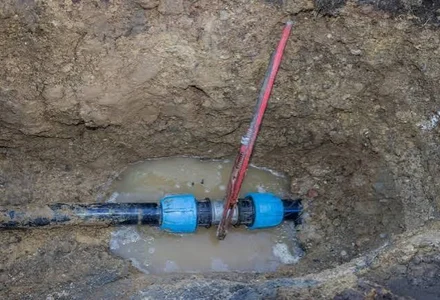
We help locate leaks that may be occurring behind walls, beneath floors, or inside concealed plumbing lines. Identifying the source helps determine where repair work is needed.
Locate Hidden Leaks →A hidden plumbing leak can waste water and cause damage long before you see where it is coming from. Leaks behind walls, beneath floors, around fixtures, or inside plumbing lines can remain unnoticed while moisture continues to spread. Even a small leak can lead to water damage, higher utility bills, and other plumbing problems if it is left unaddressed.
Plumbing Salt Lake City helps homeowners locate the source of visible and hidden leaks and determine the right way to address them. Our leak detection and repair services focus on finding the actual problem and stopping the source before further damage occurs.
A plumbing leak is not always easy to locate, especially when water is escaping behind a wall, beneath a floor, or inside a plumbing line. Plumbing Salt Lake City provides leak detection services to help homeowners identify where water is coming from and determine the cause of the problem.
We look for signs of active or hidden leaks and focus on locating the affected area before repair work begins. Once the source is identified, we can help determine the appropriate repair to stop the leak and prevent further plumbing or property damage.
We help locate leaks that may be occurring behind walls, beneath floors, or inside concealed plumbing lines. Identifying the source helps determine where repair work is needed.
Locate Hidden Leaks →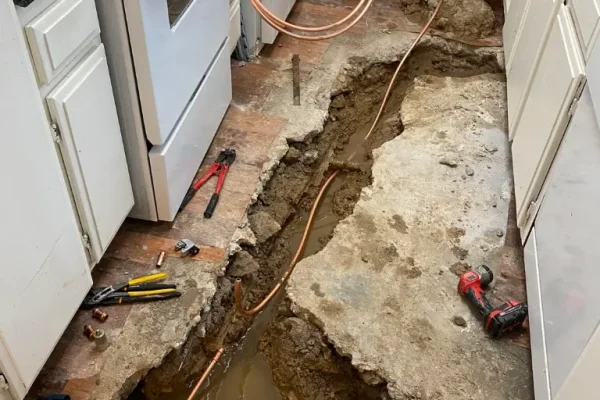
A leak beneath a concrete slab can be difficult to identify from the surface. We look for signs that may indicate a slab leak and work to locate the affected plumbing area.
Schedule Slab Scan →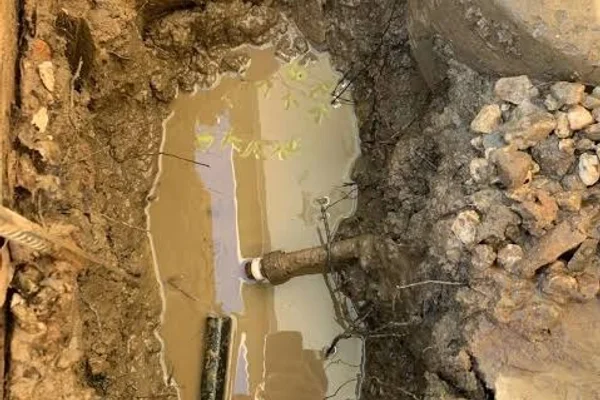
Leaks in underground water lines can waste water without producing an obvious indoor leak. We help identify signs of underground leaks and locate the affected section of the water line.
Detect Underground Leaks →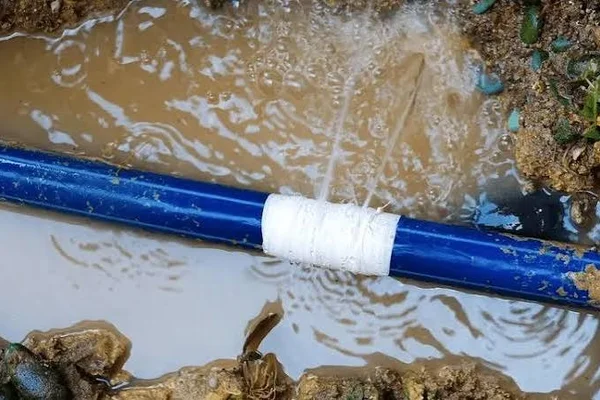
Leaks from faucets, toilets, supply lines, exposed pipes, and other accessible plumbing fixtures can often be identified quickly. We address the leaking component or pipe section to stop the water from escaping.
Fix Visible Leak →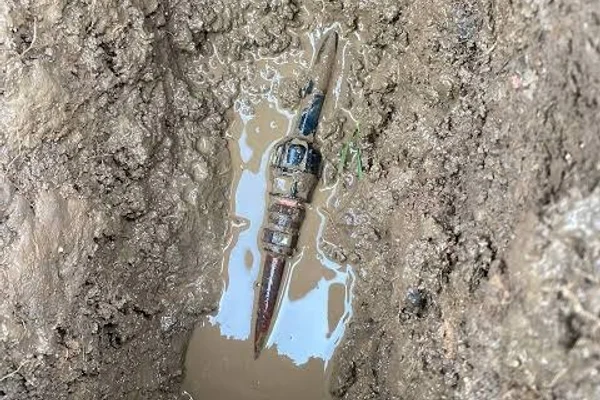
When a leak is found inside a wall, beneath a floor, or within concealed piping, the affected pipe section may require repair. We identify the source first and determine the appropriate way to address the damaged plumbing.
Repair Hidden Pipe →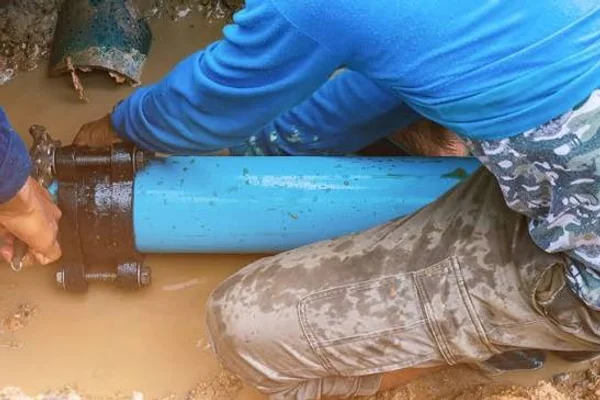
Damaged water supply lines can cause ongoing water loss and property damage. We help identify the leaking section and provide the appropriate repair based on the condition and location of the line.
Schedule Line Repair →Not every plumbing leak produces visible water right away. Some leaks develop behind walls, beneath floors, or inside plumbing lines, making early warning signs important to notice.
If your water bill suddenly increases without a change in how much water your household uses, a hidden leak could be wasting water somewhere in the plumbing system.
Unexpected dampness, wet flooring, or a soft or spongy area around a wall or floor can indicate water is escaping from a nearby pipe or plumbing connection.
Brown stains, peeling paint, bubbling surfaces, or damaged drywall can occur when water is leaking behind a wall or ceiling and remains there over time.
A persistent musty smell can be a sign of moisture collecting in a concealed area. Continued dampness can create conditions that allow mold and mildew to develop.
Hearing dripping, hissing, or running water when faucets and other fixtures are turned off may indicate water is moving through a leaking pipe or plumbing fixture.
A noticeable drop in water pressure can sometimes point to a plumbing leak, particularly when the change affects several fixtures throughout the home.
Plumbing leaks can develop in many parts of a home's water system. Some are easy to spot around fixtures, while others remain concealed until moisture or water damage becomes noticeable.
Worn components, damaged seals, or loose connections can cause faucets and toilets to leak. A small leak may seem minor but can continue wasting water over time.
Supply lines connect plumbing fixtures and appliances to the home's water supply. Loose fittings, damaged hoses, or aging connections can allow water to escape.
Leaks can occur around sink drains, supply connections, faucets, bathtub plumbing, and other connections. Water may also seep into surrounding cabinets, walls, or flooring. If a slow or backed-up drain continues after the obstruction has been addressed, a separate plumbing issue may be involved and drain cleaning may be needed.
Water can leak from the pipes, fittings, valves, or connections around a water heater. Leaks in this area should be addressed promptly to limit water damage.
Pipes running behind walls, above ceilings, or beneath floors can develop leaks that are difficult to see. Staining, dampness, or unexplained moisture may indicate a concealed plumbing problem.
Water lines beneath the ground or concrete slab can develop leaks that are not immediately visible. Unexplained wet areas, changes in water pressure, or other unusual plumbing symptoms may warrant professional leak detection. When water problems are accompanied by recurring sewer backups or drainage issues, the problem may extend beyond a water supply leak and require sewer line repair.
Plumbing leaks can develop for different reasons, from aging pipes and worn connections to pressure or physical damage. Finding the cause is important because simply stopping visible water may not address the underlying plumbing problem.
Older pipes can weaken over time as the material deteriorates. Cracks, thinning pipe walls, or weakened sections can eventually allow water to escape. If leaks continue to appear in different areas of an older plumbing system, the underlying piping may need to be evaluated for piping and repiping.
Pipe joints, fittings, and connections can loosen or deteriorate over time. A failed connection may cause water to leak around the joint, especially when the plumbing system is under pressure.
Pipes can become damaged by physical impact, ground movement, installation issues, or other conditions. A damaged section may develop a slow leak or release water more quickly.
Certain plumbing materials can corrode over time. Corrosion can weaken the pipe or its connections and eventually create openings where water can escape.
Excessive water pressure can place additional stress on pipes, fittings, valves, and fixtures. Over time, this stress can contribute to leaks or premature component failure.
Freezing temperatures can cause water inside pipes to expand and place significant pressure on the plumbing. Ground movement or shifting structures can also put stress on pipes and their connections.
Seals, washers, valves, and other fixture components can wear out with regular use. When these parts no longer create a proper seal, faucets, toilets, and other fixtures may begin to leak.
A plumbing leak does more than waste water. When moisture continues to collect inside a home, it can affect building materials and create problems that become more difficult to address over time.
Water that continues to escape from a leaking pipe can reach areas behind walls, beneath floors, or around other structural components. Prolonged moisture can weaken affected materials.
Leaks can leave drywall swollen, stained, or soft and can damage flooring materials when water remains underneath or around them.
Persistent moisture creates favorable conditions for mold and mildew growth. Hidden leaks can be especially problematic because moisture may remain concealed for an extended period.
Even a slow leak can continuously waste water when it is left unresolved. A hidden leak may continue running even when no plumbing fixtures are being used.
Unexplained increases in your water bill can occur when a leak causes water to flow through the plumbing system unnecessarily.
The longer a leak continues, the more opportunity there is for water to spread and affect additional materials. Finding and addressing the source early can help limit the extent of the damage.
Non-destructive leak detection uses specialized acoustic sensors, line pressure testing, and thermal equipment to locate concealed pipe leaks accurately.
Listening for sub-surface acoustic vibrations and pressurized water escape sounds through flooring, soil, and drywall materials.
Isolating hot and cold water supply lines to verify pressure integrity and confirm whether a leak exists within interior piping.
Detecting subtle temperature differentials in wall cavities and subfloors to map hidden moisture paths without cutting walls.
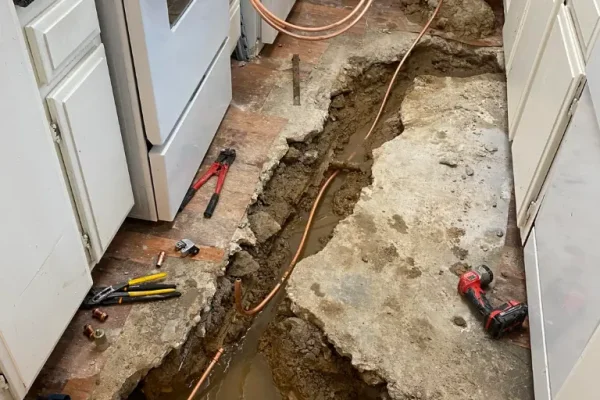
Pinpoint mapping of leaking copper or PEX supply lines buried underneath home concrete foundation slabs prior to localized repair.
Hidden leaks can be difficult to locate because the source may be behind a wall, beneath a floor, or inside a concealed plumbing line. Our leak detection process focuses on identifying the source before repair work begins.
We start by reviewing the signs you have noticed, such as unusual moisture, water stains, changes in water pressure, or an unexplained increase in water usage.
We inspect accessible plumbing fixtures, connections, pipes, walls, floors, and other areas for signs that may help identify where the leak is occurring.
Based on the available signs and plumbing layout, we narrow down the area where the leak may be located. This helps focus the inspection rather than relying only on visible water.
When the source cannot be identified through a visual inspection, appropriate leak detection equipment and methods may be used to help locate concealed plumbing leaks.
The goal is to identify where water is escaping from the plumbing system. Locating the source helps determine which pipe, connection, fixture, or section of the system may need attention.
Once the suspected source has been identified, we assess the condition of the affected plumbing and determine the appropriate repair. This helps ensure the repair addresses the actual source of the leak rather than only its visible symptoms.
Not every plumbing leak is immediately obvious or severe. However, a small visible leak can sometimes point to a larger problem behind the wall, beneath the floor, or within the plumbing system. Professional leak detection can help identify the source before the problem spreads.
A steady or increasing flow should be addressed before it causes additional damage.
Rapidly spreading water can damage flooring, walls, ceilings, and other areas of the home. An active leak that is rapidly spreading water or causing significant damage may require emergency plumbing service to address the situation promptly.
Water coming through a ceiling may indicate a leak from plumbing above or within the structure.
Stains, damp areas, musty odors, or unexplained moisture can indicate a concealed plumbing problem.
An unexplained increase may indicate water is being lost somewhere in the plumbing system.
Water near outlets, wiring, fixtures, or electrical equipment should be treated as a serious safety concern.
If you can see the effects of a leak but cannot determine where it starts, professional leak detection can help locate the source.
Addressing a suspected leak early can help limit water waste and reduce the risk of further property damage. Plumbing Salt Lake City can help locate the source and determine the appropriate repair.
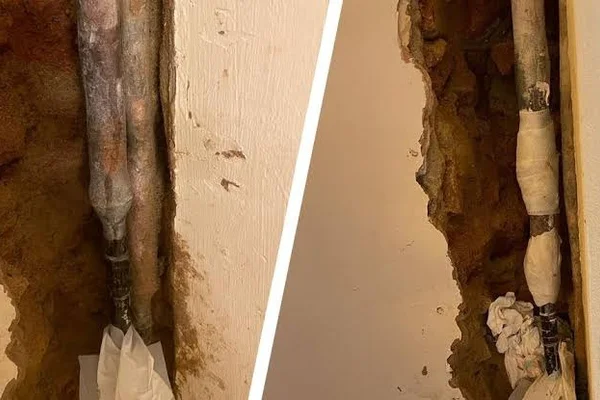
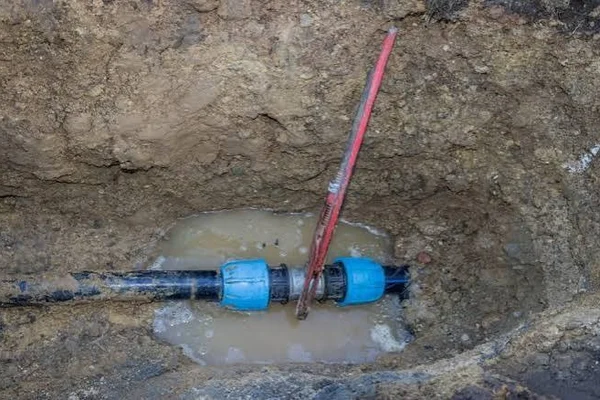
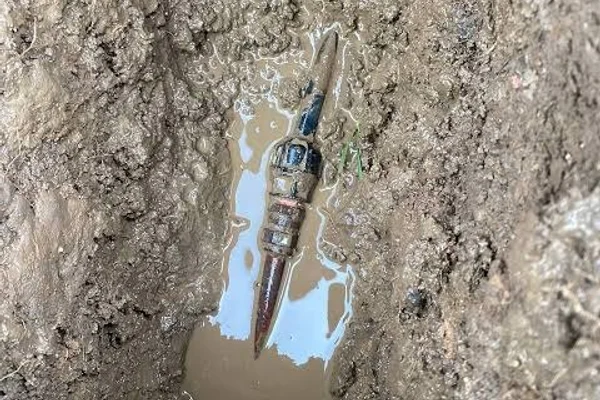
See examples of recent leak detection and repair work completed for local properties. Our project gallery highlights different leak scenarios, from concealed slab leaks and wall cavity pinholes to underground main lines. Each project follows our non-destructive diagnostic approach to pinpoint the exact leak location and complete durable repairs with minimal disruption.
Plumbing Salt Lake City provides leak detection and repair services for homeowners throughout Salt Lake City and surrounding neighborhoods. We help locate visible, hidden, underground, and other hard-to-find plumbing leaks based on the signs and plumbing conditions at the property.
Our service coverage includes Salt Lake City ZIP codes such as 84101, 84102, 84103, 84104, 84105, 84106, 84108, 84109, 84111, 84112, 84115, 84116, 84118, 84119, 84120, 84123, 84124, 84126, and 84129.
If you are dealing with unexplained moisture, water stains, low water pressure, or an unexpected increase in your water bill, professional leak detection can help identify the source.
Signs of a hidden leak can include unexplained increases in your water bill, damp or spongy areas, water stains, musty odors, sounds of running water, or unexplained changes in water pressure. If the source is not visible, professional leak detection can help locate it.
Common signs include dripping or running water, damp areas, stained walls or ceilings, bubbling paint, musty odors, low water pressure, and higher-than-usual water bills. Some leaks may have few visible signs until water damage develops.
A plumber first looks for visible signs and assesses the surrounding plumbing. When the source is concealed, appropriate leak detection equipment and methods may be used to narrow down and locate the affected area before repair.
The cost can vary depending on the location and complexity of the suspected leak and the work required to locate it. An assessment can help determine the scope of the leak detection service before repair work is recommended.
Yes. A small leak can continue releasing water over an extended period and may eventually damage drywall, flooring, or other materials. Hidden leaks can be particularly difficult because the moisture may remain unnoticed.
The time required depends on where the leak is located and how difficult it is to access. A visible leak may be easier to identify, while a concealed or underground leak can require a more detailed inspection.
Leak detection can help locate suspected leaks in underground water lines and other concealed plumbing. The appropriate detection method depends on the plumbing system, suspected location, and available signs.
Leak detection focuses on finding where the water is escaping and identifying the source. Leak repair focuses on addressing the damaged pipe, connection, fixture, or other plumbing component causing the leak.
An active or rapidly spreading leak can require prompt attention, especially when it is causing significant water damage or is near electrical components. If the leak cannot be controlled or the source is unknown, professional plumbing assistance should be sought promptly.
A leak you cannot see can still be causing damage behind your walls, beneath your floors, or inside your plumbing. Plumbing Salt Lake City helps homeowners locate the source of leaks and determine the right repair.