
Sewer & Drain Cleaning Services in Salt Lake City, UT
A clogged or slow drain can become frustrating quickly, especially when the same problem keeps returning after you've cleared it. A bathroom sink that drains slowly or a shower that starts holding water may seem like an isolated blockage, but multiple affected fixtures can tell a different story.
If several drains are backing up at the same time, a toilet gurgles when another fixture is running, or wastewater starts coming back through a sink or shower, the restriction may be farther into the plumbing system. In some cases, these signs can point to a larger drain or sewer line problem rather than a single fixture clog.
You don't need to determine the exact cause before requesting drain cleaning in Salt Lake City. Describing where the problem occurs, how often it happens, and what you've noticed can help determine what needs to be checked and what type of drain service may be appropriate.
Common Drain Problems in Salt Lake City
Drain problems often give you clues before they turn into a complete blockage. Water may start taking longer to disappear, the same fixture may clog repeatedly, or you may hear bubbling and gurgling from a nearby drain. Unusual odors can also appear when water and debris are not moving through the line properly.
These symptoms can come from buildup inside an individual drain, a restriction in a shared branch line, or a problem farther into the plumbing system. Recognizing the pattern can help determine whether basic drain cleaning is appropriate or whether the problem needs a closer inspection.
Slow Drains
When water begins taking longer to drain from a sink, tub, or shower, something may be restricting the flow. Hair, soap residue, grease, mineral deposits, and other debris can gradually reduce the opening inside a drain line.
A drain that is getting slower over time is worth addressing before the restricted flow develops into a complete blockage.
Recurring Clogs
A drain that keeps clogging after being cleared may have more than a surface-level obstruction. If the same sink, shower, or tub repeatedly develops a blockage, material may still be present farther down the line.
Repeated clogs can also indicate that the line is not draining properly beyond the fixture. Clearing the symptom without addressing the underlying restriction may only provide temporary relief.
Multiple Drains Backing Up
When several fixtures begin draining slowly or backing up around the same time, the problem may be larger than a single clogged drain. For example, a toilet that gurgles when another fixture is running or wastewater appearing in a tub can indicate a restriction farther downstream.
If drain problems keep returning or multiple drains in the home are backing up at the same time, the issue may involve the main sewer line and require sewer line repair rather than another routine drain cleaning.
Unusual Drain Odors
Persistent odors coming from a drain can sometimes indicate accumulated organic material, stagnant water, or another drainage problem. A smell that continues after routine cleaning is worth investigating, particularly when it occurs alongside slow drainage or recurring clogs.
Gurgling or Bubbling Sounds
Gurgling from a sink, toilet, tub, or shower can occur when air and water are not moving normally through the drainage system. If the sound repeatedly appears when another fixture is being used, it may be a sign of a restriction farther along the line.
Not Sure What Your Drain Problem Means?
You don't need to diagnose the blockage yourself. Let us know which fixture is affected, whether other drains are involved, how often the problem occurs, and whether you've noticed standing water, odors, or backups. Those details can help determine what part of the drainage system needs to be checked.
Drain Cleaning for Kitchens, Bathrooms & More
Different drains deal with different types of debris, so the cause of a blockage can vary depending on where it occurs. Kitchen sinks commonly collect grease and food residue, while bathroom drains are more likely to deal with hair and soap buildup. Floor and utility drains can have a different set of problems, particularly when they are connected to shared drainage lines.
A single slow fixture may only need that drain cleared, but recurring blockages or problems affecting several fixtures can indicate a restriction farther into the system. Drain cleaning in Salt Lake City starts with identifying where the problem is occurring and what may be causing the restricted flow.
Kitchen Drain Cleaning
Kitchen sinks are exposed to grease, food particles, cooking residue, and other materials that can accumulate inside the drain line. You may notice water taking longer to drain, standing in the sink while the faucet is running, or an unpleasant smell coming from the drain.
If the kitchen drain repeatedly becomes slow after being cleared, there may still be buildup farther inside the line that needs to be addressed.
Bathroom Drain Cleaning
Bathroom sinks, showers, and tubs commonly collect hair, soap residue, and personal-care products. Over time, this material can reduce the space available for water to flow through the drain.
A shower that leaves water around your feet or a sink that takes noticeably longer to empty can be an early indication of a developing blockage. Recurring problems may require more thorough drain cleaning rather than repeated surface-level clearing.
Floor & Utility Drain Cleaning
Floor and utility drains play an important role in areas such as basements, laundry spaces, and utility rooms. When one of these drains begins holding water or backing up during a washing machine cycle, the issue may involve more than the drain opening itself.
If water backs up through a floor drain or several nearby fixtures are affected, the restriction may be located farther downstream in a shared drain line. In these situations, identifying where the blockage is located is an important part of determining the right service.
Common Signs of a Drain or Sewer Problem
Drainage problems can develop gradually before they become a complete blockage or backup. A sink may start draining slowly, a toilet may make unusual sounds, or an unpleasant odor may keep coming back from the same fixture. When these symptoms become frequent or begin affecting multiple drains, the problem may extend beyond a single fixture.
Knowing what to watch for can help you recognize when a routine drain issue may need a closer look.
Slow Drainage
If water is taking longer than normal to disappear from a sink, shower, or tub, the drain may already have some restriction inside the line. Slow drainage can result from accumulated debris or buildup that gradually reduces the space available for water to pass.
Frequent Clogs
A drain that repeatedly clogs after being cleared deserves attention. The blockage may not have been completely removed, or additional buildup farther along the line may be contributing to the recurring problem.
Gurgling Sounds
Bubbling or gurgling from a toilet, sink, or other drain can indicate that air is having difficulty moving normally through the drainage system. Pay particular attention when the sound occurs while another fixture, such as a washing machine or sink, is being used.
Drain Odors
A recurring unpleasant smell from a drain may be associated with trapped debris, organic buildup, stagnant water, or another drainage problem. If the odor continues after normal cleaning, the source may need to be investigated.
Standing Water
Water that remains in a sink, tub, shower, or floor drain instead of clearing normally indicates that drainage is being restricted.
If moisture continues to appear around a drain even after the blockage has been cleared, the problem may involve a plumbing leak that needs leak detection and repair.
Multiple Backups
When several fixtures begin draining slowly or backing up around the same time, the problem may be located in a shared section of the drainage system. For example, a toilet backup combined with a slow tub or sink can indicate a restriction farther downstream.
Multiple affected fixtures are a stronger reason to investigate the larger drain or sewer line rather than repeatedly clearing individual drains.
Common Causes of Clogged Drains & Sewer Lines
A slow or blocked drain can have several different causes, and the same symptom does not always mean the same problem. A kitchen sink may be affected by grease and food residue, while a recurring sewer backup could involve roots, damaged piping, or another restriction farther down the system.
Some blockages develop gradually as material accumulates inside the pipe. Others are caused by an object, root intrusion, or a change in the condition or position of the pipe itself. Understanding the possible cause can help determine whether routine drain cleaning is enough or whether the line needs a more detailed inspection.
Grease & Organic Buildup
Grease, cooking oils, food particles, and other organic material can accumulate inside kitchen drain lines. Over time, this buildup can reduce the space available for water to pass through and create increasingly slow drainage.
Once material has collected along the inside of the pipe, additional debris can catch on it and make the restriction worse. This is one reason a kitchen drain may continue developing clogs instead of returning to normal after a quick clearing.
Hair, Soap & Everyday Debris
Bathroom drains commonly collect hair, soap residue, toothpaste, and other everyday materials. These substances can combine inside the line and gradually restrict water flow.
A shower or bathroom sink may initially drain only slightly slower than normal before the problem becomes more noticeable. If the same drain repeatedly develops a blockage, there may be additional buildup farther into the line.
Foreign Objects
Objects that enter a drain can become lodged in a trap, fixture drain, or branch line. Unlike gradual buildup, a solid object may create a more immediate restriction and may not clear simply by running additional water through the fixture.
If a drain remains blocked after normal clearing attempts, the obstruction may need to be located and removed rather than repeatedly treated as a standard clog.
Tree Root Intrusion
Tree roots can enter sewer piping through small cracks, joints, or other openings where moisture is present. As the roots grow inside the line, they can catch waste and other debris, gradually restricting the flow.
Recurring sewer backups or blockages that return after cleaning may sometimes be associated with root intrusion. In these situations, identifying the condition of the pipe can be important before deciding on the next repair.
Aging or Damaged Pipe
Older drain and sewer pipes can develop cracks, corrosion, deterioration, or other structural problems. Cleaning can remove material from inside the pipe, but it cannot repair a damaged section of piping.
If the same section continues causing drainage problems after it has been cleared, the condition of the pipe may need to be evaluated rather than simply repeating the same cleaning.
Pipe Movement or Misalignment
Changes in the surrounding ground or deterioration at a pipe joint can sometimes cause sections of a drain or sewer line to shift or become misaligned. A section with an improper slope or an offset connection can interfere with normal flow and allow debris to accumulate.
When a drainage problem repeatedly returns without an obvious blockage, a camera inspection may help determine whether an issue exists inside the line that cannot be identified through routine drain cleaning alone.
Drain Cleaning Methods
Different drain problems call for different approaches. The right method depends on the location of the blockage, the material causing the restriction, the condition of the pipe, and whether the problem is isolated or keeps returning.
A localized clog may be suitable for drain snaking, while heavier buildup throughout a suitable section of pipe may call for hydro jetting. When the cause is uncertain or a blockage repeatedly returns, a camera inspection can provide useful information about what is happening inside the line.
Drain Snaking
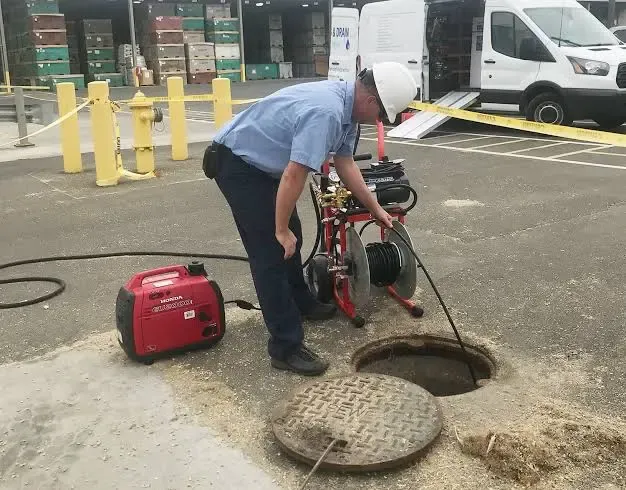
Drain snaking uses a flexible cable that is guided through the drain line toward the blockage. Depending on the type and location of the obstruction, the cable can break through or loosen the material and help restore normal water flow.
Drain snaking in Salt Lake City can be appropriate for many localized blockages affecting an individual fixture. However, clearing a path through a clog is not necessarily the same as removing buildup from the entire interior of the pipe. If the same drain repeatedly becomes blocked after snaking, further evaluation may be needed to determine why the problem keeps returning.
Schedule Drain Snaking →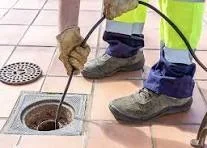
Hydro Jetting
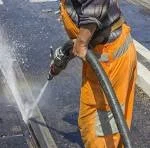
Hydro jetting uses pressurized water to remove buildup from the interior of suitable drain or sewer piping. The process can be useful when grease, sludge, mineral deposits, or other material has accumulated along a larger section of the line rather than forming one isolated obstruction.
Hydro jetting in Salt Lake City is not appropriate for every pipe or every blockage. The condition and type of piping should be considered before using high-pressure water, particularly when a line may be damaged, deteriorated, or structurally compromised.
Learn About Hydro Jetting →Sewer Camera Inspection
A sewer camera inspection places a small camera inside an accessible drain or sewer line so the interior can be visually evaluated. Unlike snaking or hydro jetting, a camera inspection is primarily a diagnostic method rather than a way to clear the blockage.
A camera can be useful when clogs keep returning, several fixtures are affected, tree root intrusion is suspected, or there are signs of a damaged or deteriorating pipe. Seeing the inside of the line can help determine whether the problem is simply buildup or whether another condition may be contributing to the recurring drainage issue.
A camera inspection is not necessary for every routine clog, but it can be valuable when the cause isn't clear or standard drain cleaning has not resolved the problem.
Request Camera Inspection →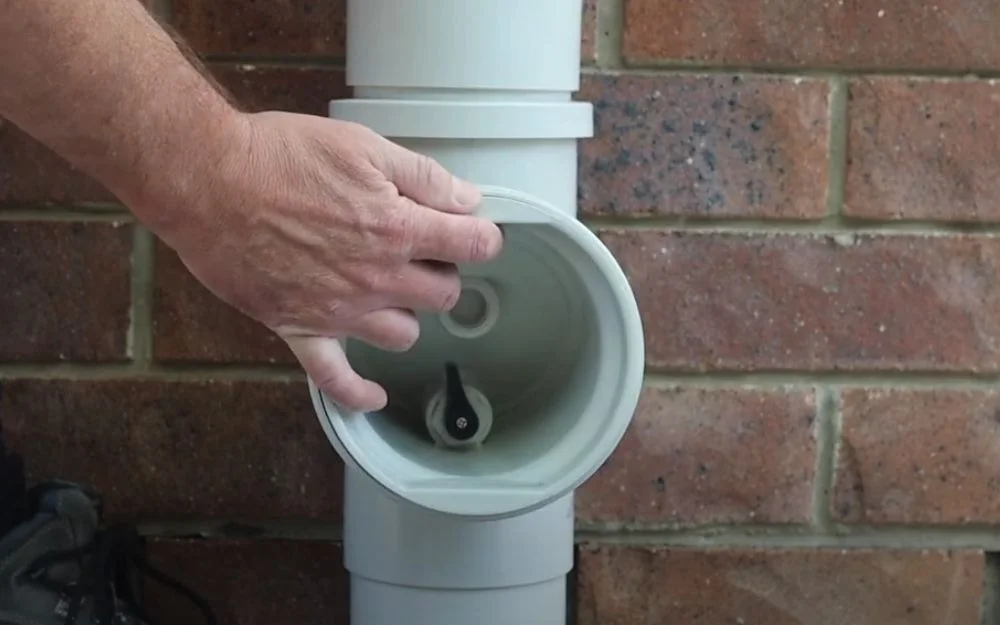
Why Preventive Drain Maintenance Protects Your Pipes
Preventive drain maintenance prevents recurring wastewater backups, stops pipe corrosion, and eliminates foul odors inside Salt Lake City homes.
Prevents Overflow Emergencies
Clearing partial drain restrictions early prevents sudden sewage overflows and water damage during peak household water usage.
A completely blocked drain, overflowing fixture, or backup that is causing active water damage may require emergency plumbing service to address the problem before it gets worse.
Avoids Chemical Pipe Corrosion
Professional mechanical clearing avoids caustic store-bought chemical drain cleaners that eat away at metal pipes and PVC fittings.
Eliminates Household Drain Odors
Removing decomposing organic matter inside drain traps stops unpleasant odors from rising into kitchen and bathroom living spaces.
Extends Drain Line Lifespan
Scouring corrosive sludge and mineral scale from inner pipe walls extends the functional service life of home drainage systems.
How the Drain Cleaning Process Works
From initial symptom evaluation to selecting the right clearing method, removing the obstruction, and testing flow, our process is designed for clarity and lasting results.
Diagnostic Evaluation
Call (385) 488-0770 to describe your drain symptoms. Our technician evaluates the affected fixture or main sewer line.
Clearing Method Selection
We select motorized drain snaking for branch lines or hydro jetting for main sewer lines with heavy grease and sludge buildup.
Precision Clog Removal
The obstruction is punctured, extracted, or high-pressure jetted away, restoring the full diameter and scouring pipe walls clean.
Flow Verification
Water is tested across connected household fixtures and drains to verify smooth, unhindered drainage before completing service.
Sewer & Drain Help Across Salt Lake City, UT
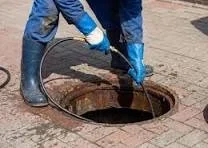
Drain and sewer problems can range from a slow kitchen sink to recurring backups that affect several fixtures. Our Salt Lake City drain cleaning service focuses on identifying where the restriction is occurring and determining what type of service the line needs.
Service is available in Salt Lake City and nearby communities including Sandy, West Valley City, Murray, West Jordan, and South Salt Lake. Whether you're dealing with a single clogged drain, recurring blockages, slow drainage, or signs of a larger sewer line problem, the first step is understanding what is causing the restricted flow.
Coverage and the type of service needed can vary depending on the location and the specific plumbing problem. If you're unsure whether you need basic drain cleaning or a deeper sewer evaluation, describing the symptoms and which fixtures are affected can help determine the appropriate next step.

Frequently Asked Questions About Drain Cleaning Salt Lake City, UT
What are signs that I may need drain cleaning?
Slow drainage, recurring clogs, standing water, unpleasant drain odors, and gurgling sounds can all indicate a developing blockage. If one or more drains are repeatedly having problems, the line may need to be cleaned or inspected.
Why does the same drain keep clogging?
A recurring clog can happen when some of the buildup remains inside the pipe after the initial blockage is cleared. Hair, grease, soap residue, and other debris can continue restricting flow. A recurring problem may also involve a restriction farther down the line.
What is the difference between drain snaking and drain cleaning?
Drain snaking uses a cable to reach and break through or loosen a specific blockage. Drain cleaning can refer more broadly to clearing accumulated material from a drain line. The appropriate approach depends on the type, location, and extent of the restriction.
When might hydro jetting be used?
Hydro jetting may be considered when substantial grease, sludge, mineral deposits, or other buildup has accumulated inside a suitable drain or sewer line. The condition and type of pipe should be evaluated before using high-pressure water.
How do I know if the main sewer line may be involved?
Several fixtures becoming slow or backing up at the same time can indicate a restriction farther downstream. Other signs may include a toilet gurgling when another fixture is used or wastewater backing up through a tub or floor drain.
Can a sewer camera inspection help with recurring backups?
Yes. A camera inspection can provide a visual look inside an accessible drain or sewer line. It may help identify conditions such as recurring buildup, root intrusion, damaged piping, or other problems that are difficult to determine from the symptoms alone.
Can tree roots cause sewer line problems?
Yes. Roots can enter sewer pipes through small cracks or openings around joints. As they grow inside the line, they can catch debris and restrict water flow, potentially contributing to recurring blockages and backups.
How do I request drain or sewer service in Salt Lake City?
Tell us which fixture or fixtures are affected, what symptoms you're seeing, and whether the problem is new or recurring. This information can help determine whether the situation appears to involve an individual drain or may require a broader sewer line evaluation.
How much does it cost to have drains cleared?
The cost to clear a drain typically depends on the location of the clog, its severity, and the method required. A simple secondary fixture line snaking (such as a bathroom sink or tub) is generally less expensive than clearing a central sewer main line or performing extensive hydro jetting. We provide transparent diagnostic assessments and clear options before beginning any work.
Where can I find drain cleaning services in Salt Lake City?
Salt Lake Plumbers provides fast, local drain cleaning and sewer clearing across all Salt Lake City neighborhoods (including Downtown, Sugar House, The Avenues, Rose Park, and the East Bench) and surrounding communities such as Sandy, West Valley City, Murray, West Jordan, and South Salt Lake. You can reach our dispatch team 24/7 at (385) 488-0770.
How much does it cost to clean a drain line?
Drain line cleaning costs vary based on whether you are clearing a single branch pipe or doing a full-diameter pipe wall scouring with high-pressure hydro jetting for grease, sludge, and tree roots. Factors like cleanout accessibility and pipe condition also influence the service scope.
Why do plumbers say not to use drain cleaner?
Store-bought chemical drain cleaners rely on caustic acids or lye that generate intense heat. These harsh chemicals can eat away at older metallic pipes, soften PVC joints and rubber seals, and often fail to dissolve deep obstructions. Furthermore, standing chemical water creates severe splash and burn hazards for technicians performing mechanical repairs.
What is Drain Cleaning?
Drain cleaning is the professional process of removing accumulated debris, grease, hair, mineral scale, sludge, or root intrusions from interior plumbing pipes and sewer laterals to restore full wastewater flow and prevent unsanitary backups.
What are the Major Drain Cleaning Methods?
The primary methods include motorized mechanical drain snaking (auger cables designed to break or retrieve physical clogs), high-pressure hydro jetting (scouring pipe walls clean with specialized water nozzles), and diagnostic sewer camera inspections to locate underlying pipe defects.
Why is My Shower Drain Clogging All the Time?
Shower drains frequently clog due to a combination of hair strands, sticky soap scum, body washes, and mineral scale from hard water. Over time, this mixture forms a dense mesh inside the P-trap or branch line that catches more debris unless thoroughly cleared.
Should I Get a Sewer Camera Inspection?
A sewer camera inspection is strongly recommended if clogs keep recurring after routine snaking, if multiple fixtures are backing up simultaneously, if you suspect tree root intrusion, or if you live in an older home with cast iron or clay sewer piping.
What's the Difference Between Hydro-Jetting Versus Snaking?
Mechanical snaking punches a hole through a specific blockage to restore initial flow, whereas hydro jetting uses high-pressure water (up to 4000 PSI) to scrub the entire interior circumference of the pipe, removing all residual grease, scale, and slime for long-term flow restoration.
Can Frequent Clogs Damage My Pipes?
Yes. Repeated clogs increase internal pipe pressure, trap corrosive stagnant wastewater against pipe walls, and often tempt homeowners to use damaging chemical cleaners. Over time, unchecked blockages can lead to joint leaks, pipe cracks, or extensive water damage.
Clogged Drain? Sewer Backup? Don’t Keep Guessing.
You don't need to figure out the cause before asking for help. Tell us which drain or fixtures are affected, whether water is draining slowly or backing up, and if the problem keeps returning.
That information can help determine whether the issue appears to be an isolated clog or something farther into the drainage system. From there, the appropriate drain or sewer service in Salt Lake City can be determined.